Allocated private basement bay
Confirm the lot or licence arrangement for the car space and whether the electrical route passes through common areas. Parking ownership and electrical connection are separate questions.
EV charging across Melbourne
Explore apartment EV charger installation in Melbourne for private parking bays. Understand\ \ owners corporation approval, power supply and cable-route considerations.

The practical starting point
Apartment residents often know exactly where they would park and charge, but not where their electricity would come from. A cable may have to cross a common corridor, pass through a basement or reach a distribution board some distance away. There may also be building rules and access permissions to resolve. This page focuses on an individual resident’s private-car-space enquiry. If the committee is planning chargers for several residents or shared infrastructure across the building, the strata charging page covers that wider decision.
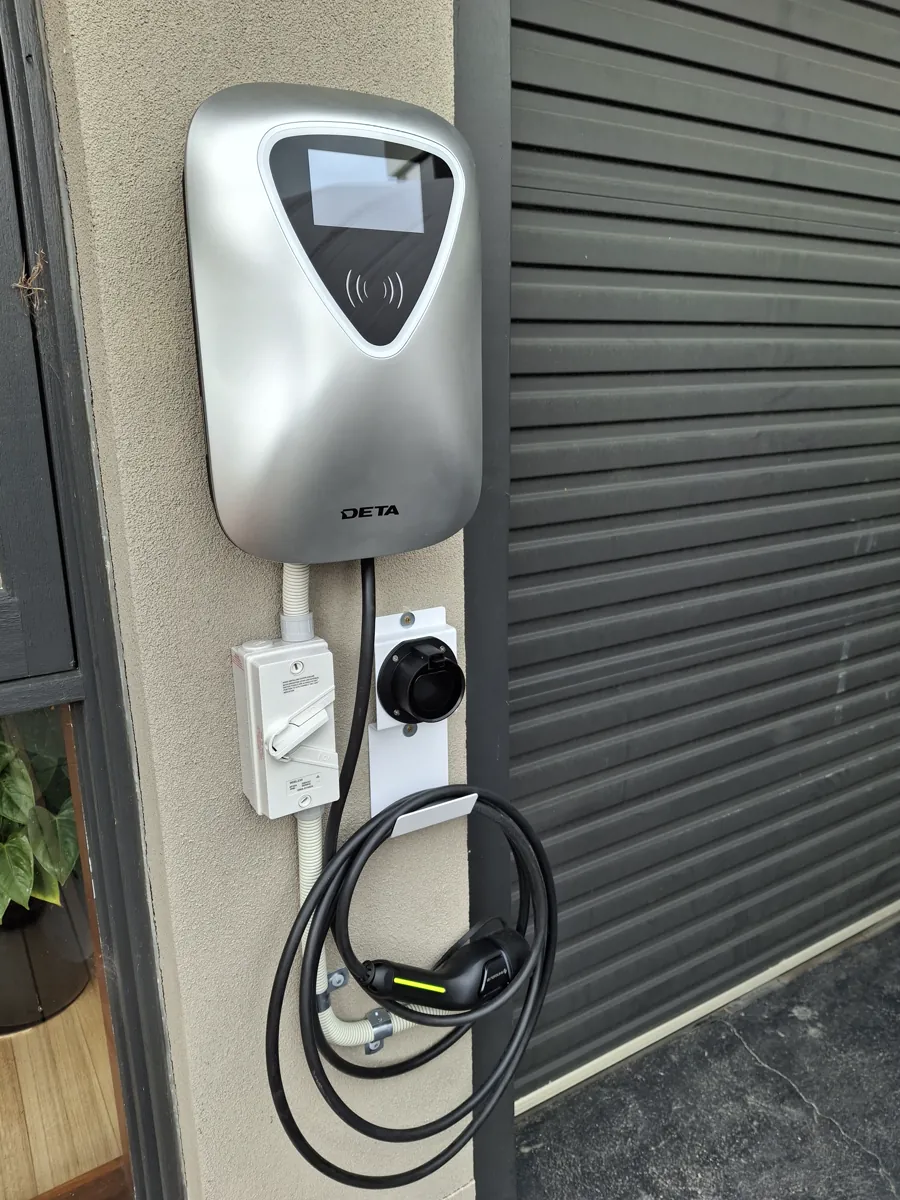
01 / EV charging guidance
The right electrical work depends on the equipment, available supply and site conditions. The feasibility of an apartment charger depends on the bay arrangement, building electrical infrastructure, available capacity, cable route, metering and any required owners corporation approval. It is not enough to see a nearby power point or a wall where the charger could fit. A licensed electrician needs to assess how the charger would be supplied and protected, while the building manager or owners corporation may need to approve work through common property. The result may be an individual installation pathway or a need for coordinated building planning first.
EV charging essentials
These are the details that can change the recommendation.
Confirm the lot or licence arrangement for the car space and whether the electrical route passes through common areas. Parking ownership and electrical connection are separate questions.
The garage may look like a standalone home setup, but supply, common walls or shared driveways can still involve approvals. Check the subdivision and relevant property rules.
If several residents are asking for chargers, the building may benefit from reviewing common supply, future cabling and load controls before separate installations proceed.
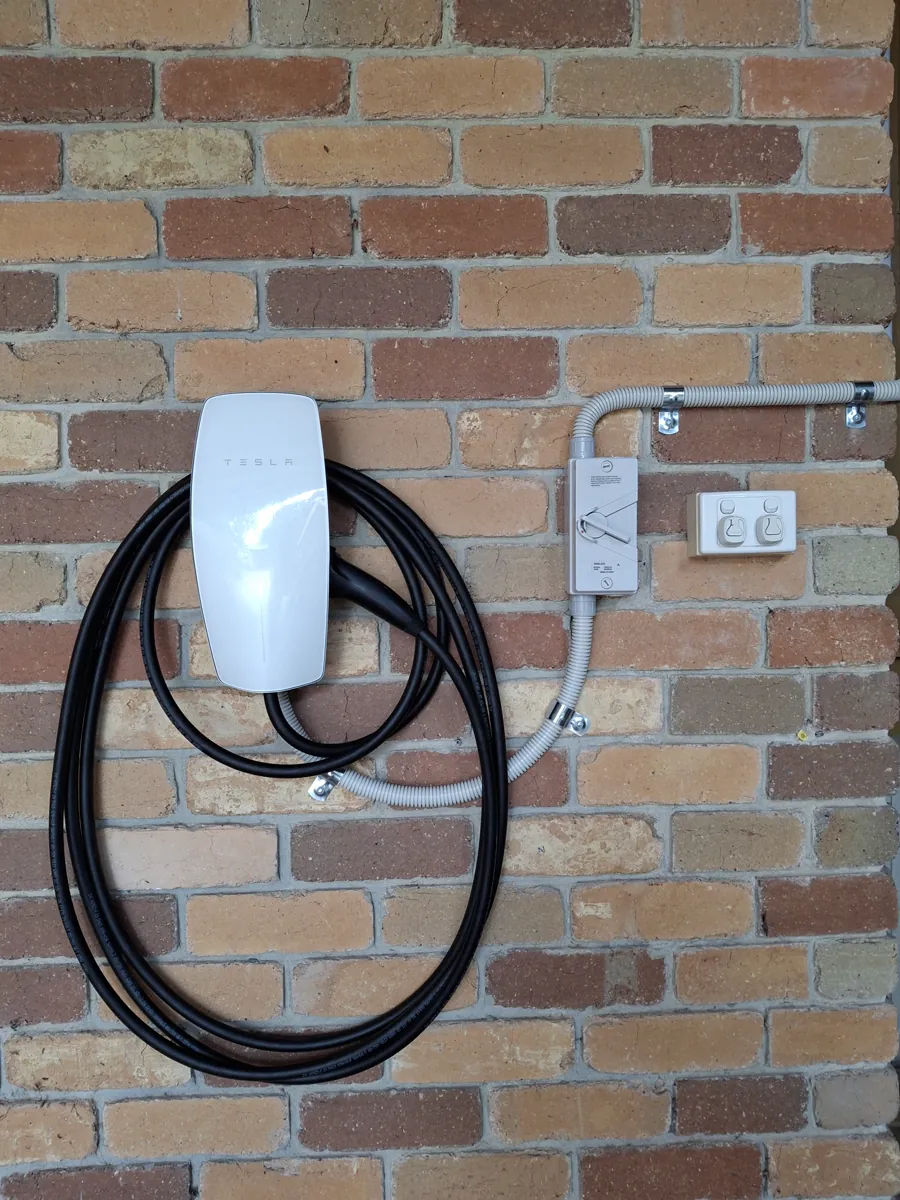
03 / EV charging guidance
A useful quote starts with the right information. The electrical work is scoped after the property, equipment and charging needs have been considered.
Outline the building, your allocated parking bay, vehicle and preferred charger. Ask the building manager about existing EV charging rules and provide any approved drawings or photos you can obtain.
The electrical feasibility review considers a safe supply, cable route, protection, metering and any load controls. Owners corporation and building approvals are assessed separately from the electrical work.
Once permissions and technical scope are settled, the installation can be quoted. An approved provider must then install, test and document the electrical work according to the agreed building access arrangements.
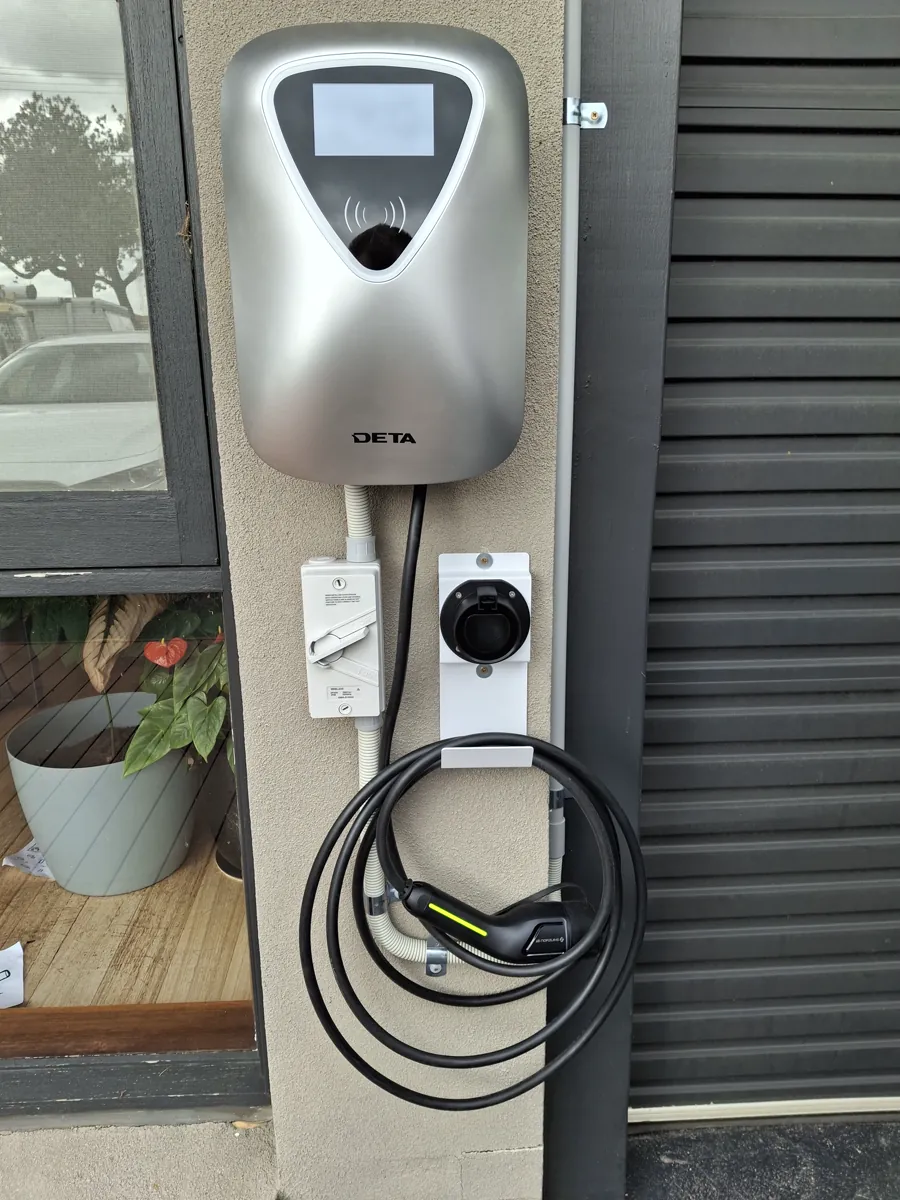
04 / EV charging guidance
The final scope should reflect the property and equipment, not an assumed standard installation.
The distance between a suitable supply point and the car bay can drive cable sizing, routing, labour and protection requirements.
The building needs a workable way to account for electricity use and clarify who owns, operates and maintains the equipment.
Electrical rooms, ceiling spaces and shared walls may require building-management access, documentation and formal permission.
Clear advice, tailored to site
The final scope should reflect the property and equipment, not an assumed standard installation.
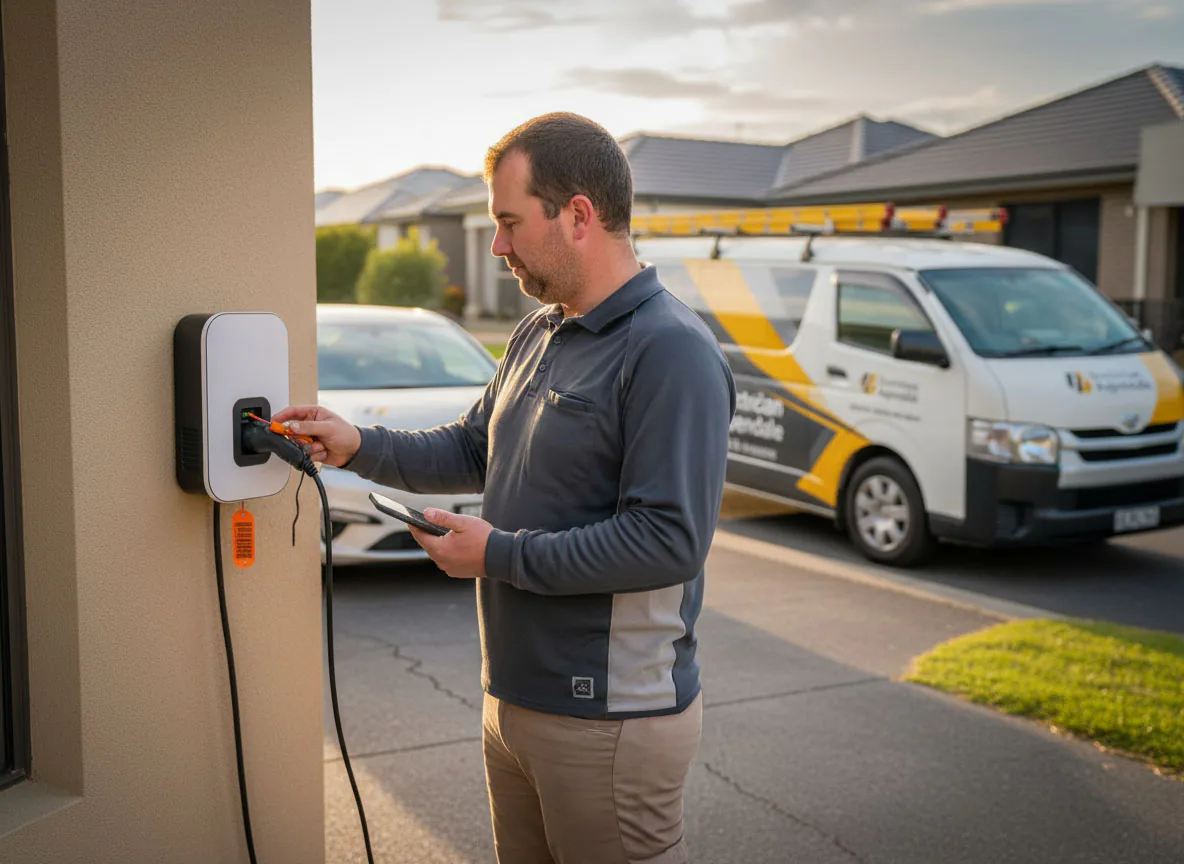
05 / EV charging guidance
These pages cover connected decisions without repeating the same advice.
A whole-building view of owners corporation approvals, shared supply and future EV demand.
Controlling simultaneous EV charging demand at homes, buildings and depots.
What information to prepare before requesting an installation price or site assessment.
Helpful answers
Possibly. A private bay does not automatically mean the electricity supply or cable route is private. The building layout, approvals and electrical capacity determine whether a dedicated charger is practical and what work may be required.
Often an approval process is relevant where the work affects common property, shared services or building rules. Confirm the current requirements with the owners corporation or its manager before buying equipment or booking electrical work.
That may be possible at some buildings, depending on the meter position, cable route and electrical arrangement. Other sites may need different metering or cost-allocation methods. The practical and approval implications must be assessed before selecting an approach.
The first step is to confirm the actual constraint. Depending on the building, managed charging, a smaller installation or future infrastructure planning may be considered. A charger should not be connected to an assumed spare circuit without proper assessment.
Yes. Ask what approvals, electrical drawings, access rules or existing charging policies are available. You can still begin an enquiry, but knowing the building’s position early helps avoid a quote based on work that cannot be authorised.
Let’s get you charging
Tell us about your vehicle, parking space and property. EV Charger Install Melbourne can help you start a practical installation enquiry. Request an EV charger quote