Connector and vehicle compatibility
The exact connector, charger generation and vehicle model should be checked against current manufacturer guidance, particularly if the charger is for a mixed-brand household.
EV charging across Melbourne
Planning a Tesla Wall Connector installation in Melbourne? Review power supply, charger location,\ \ vehicle compatibility and electrical requirements before quoting.
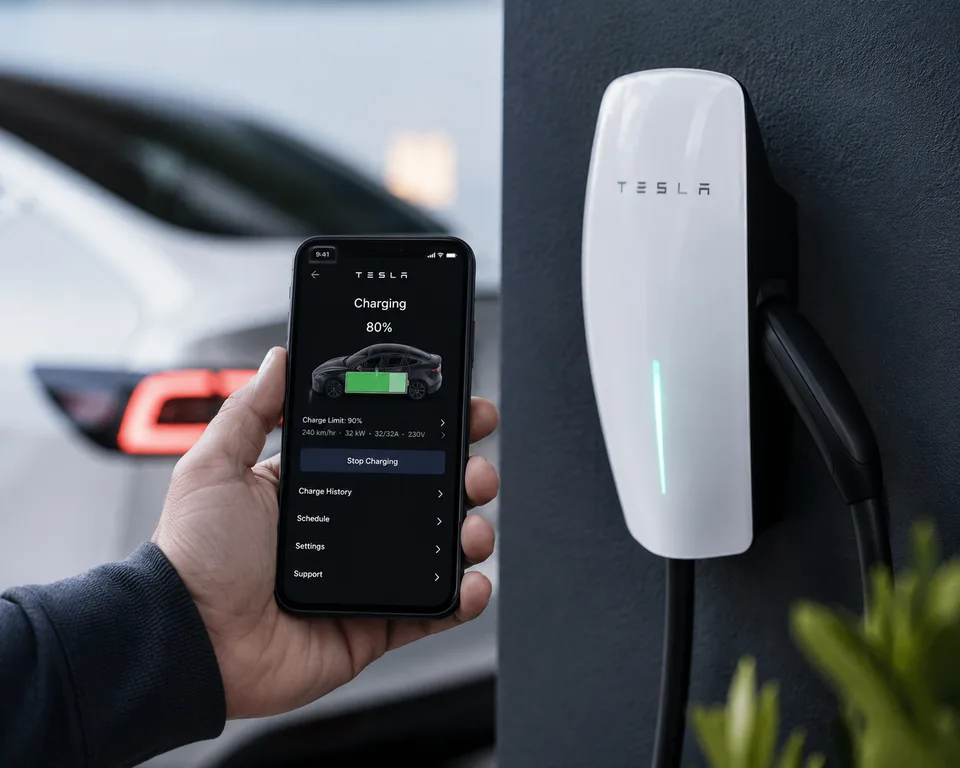
The practical starting point
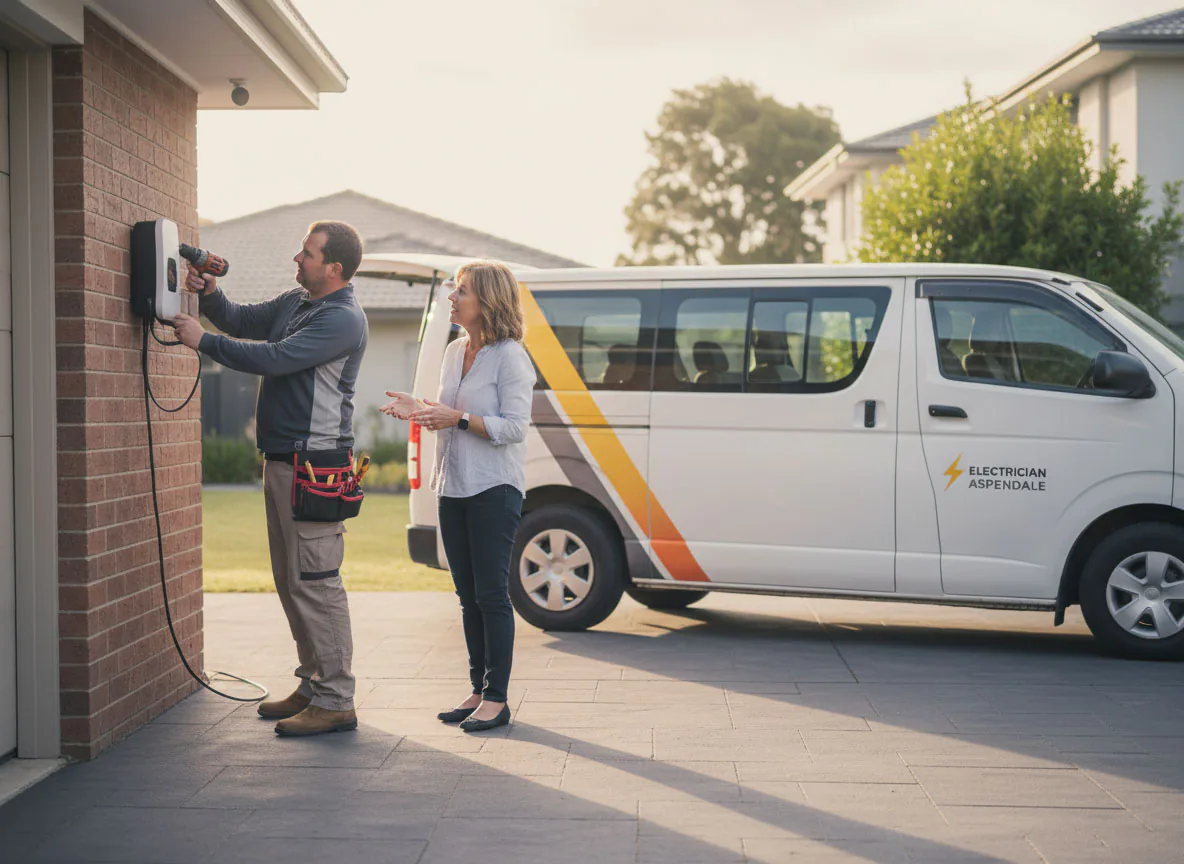
The charging setup should work with the vehicle’s charge port, how you park and the electrical supply already at the property. In a narrow garage, the difference between mounting the unit on the front wall or side wall can make daily use much easier. The best electrical route may not be the shortest visible one. Tell us your Tesla model, whether you already have a Wall Connector and where you would like it installed. The exact charger generation and product instructions matter, especially where connected features or a specific charging rate are important.
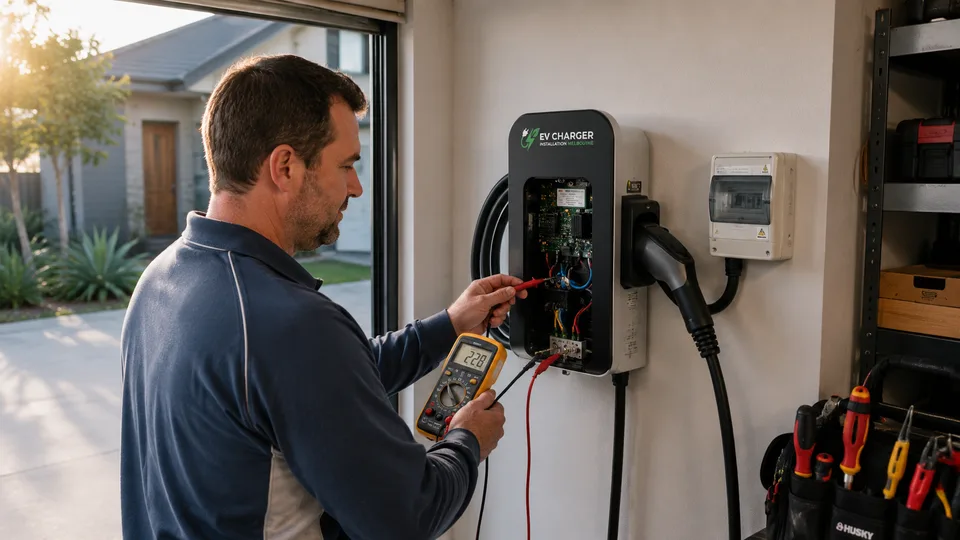
01 / EV charging guidance
The right electrical work depends on the equipment, available supply and site conditions. A Tesla Wall Connector installation involves electrical capacity checks, suitable circuit and protection, a practical mounting location, correct installation to the applicable product instructions and post-installation testing. Single-phase or three-phase supply may affect the available charging rate, but the vehicle’s onboard charging capability also sets a limit. Wi-Fi coverage and commissioning may matter for software features. Any claim about maximum output needs to be checked against the exact charger, vehicle and property rather than treated as a standard result.
EV charging essentials
These are the details that can change the recommendation.
The exact connector, charger generation and vehicle model should be checked against current manufacturer guidance, particularly if the charger is for a mixed-brand household.
Consider the cable reaching the car without stretching across a doorway or walkway. Garage storage, driveway exposure and vehicle parking direction all affect the position.
Switchboard capacity, circuit protection and supported software settings are part of the installation discussion. Connected functions may also depend on local Wi-Fi and current firmware.
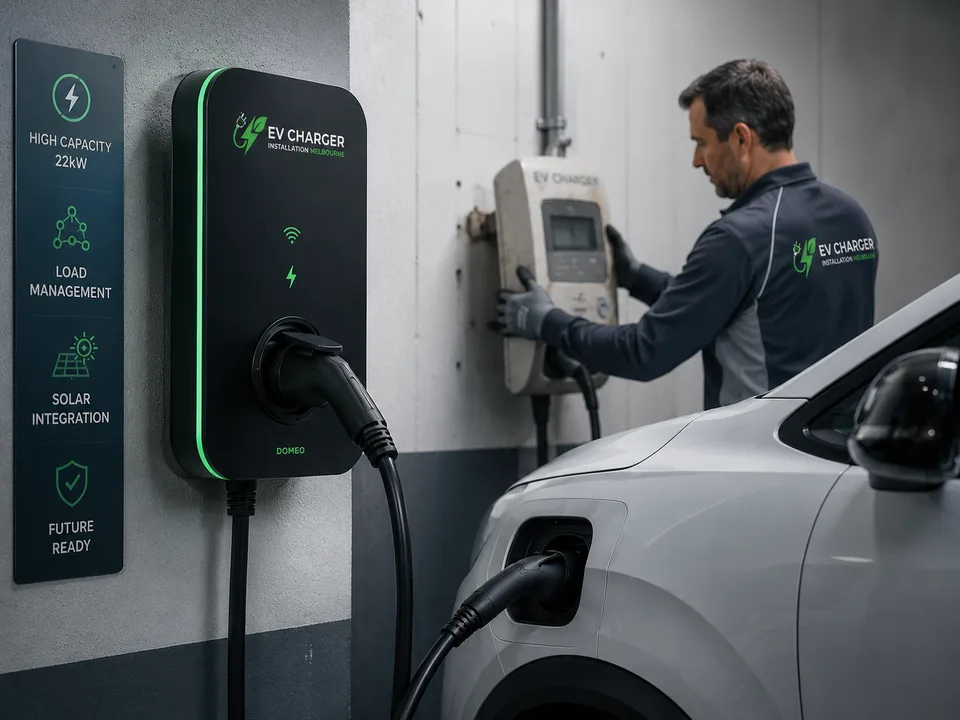
03 / EV charging guidance
A useful quote starts with the right information. The electrical work is scoped after the property, equipment and charging needs have been considered.
Share your Tesla model, the Wall Connector model or generation, switchboard photos and the preferred car parking position. Say whether the unit is already purchased.
An electrician checks the property supply, likely charging demand, cable route and applicable charger installation requirements. The mounting position and required electrical protection are confirmed for the site.
Agree on any supply work and product scope before fitting the charger. Connection, commissioning and testing should follow the current manufacturer guidance and applicable electrical requirements.
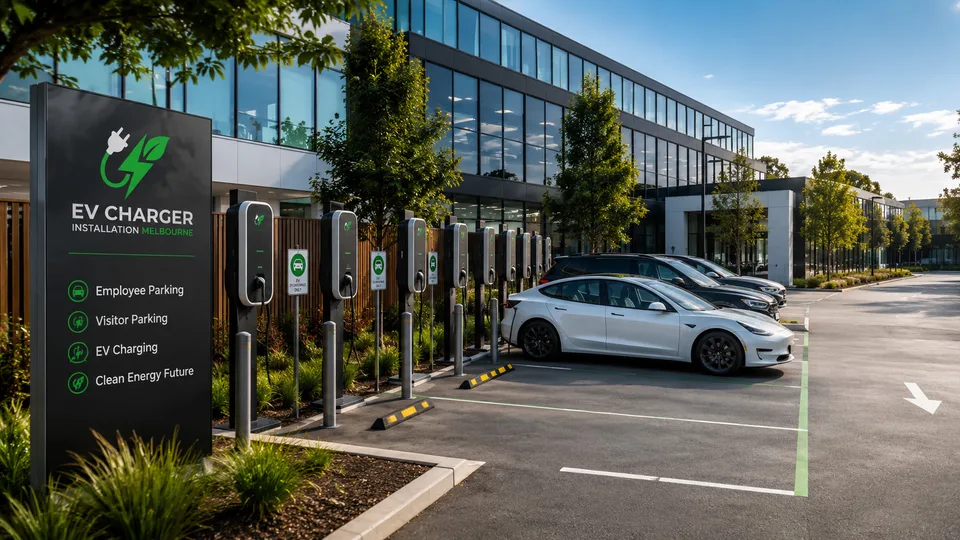
04 / EV charging guidance
The final scope should reflect the property and equipment, not an assumed standard installation.
A desired charging rate cannot be assumed from the Wall Connector’s maximum rating. The available phases, vehicle limits and house load affect the result.
Distance from the switchboard, concealed work and outdoor protection requirements influence materials and labour.
The quote should distinguish a customer-supplied Wall Connector from an installation that also includes supplied equipment or accessories.
Clear advice, tailored to site
The final scope should reflect the property and equipment, not an assumed standard installation.
05 / EV charging guidance
These pages cover connected decisions without repeating the same advice.
Home charger selection, practical siting, electrical checks and installation planning.
Higher-power AC charging limits and three-phase supply assessment.
Compatibility, scope and warranty considerations for a wall charger you already own.
Helpful answers
The available arrangement depends on the exact Wall Connector model, supported configuration and the home’s electrical supply. A single-phase installation may have a different maximum charging rate from a suitable three-phase setup. The vehicle can also limit the actual power it accepts.
Compatibility depends on the connector type, vehicle inlet and the current settings or access features of the particular Wall Connector. Some configurations can support compatible non-Tesla EVs. Confirm the exact hardware and current manufacturer documentation before buying for a mixed-brand household.
Some setup, software and connected features may need network access, depending on the model. A charger can be mounted in a garage where the household Wi-Fi signal is weak. Check this before choosing the position if app or connected functions matter to you.
No. The actual AC charging rate is limited by the available electrical supply, the configured charger and the vehicle’s onboard charger. A more powerful wall unit does not make a car accept power above its own limit.
A customer-supplied unit can be considered if it is suitable, compatible and accompanied by the necessary instructions and equipment. The installer needs to confirm the unit’s condition and electrical requirements, and the quote should separate product warranty responsibilities from installation work.
Let’s get you charging
Tell us about your vehicle, parking space and property. EV Charger Install Melbourne can help you start a practical installation enquiry. Request an EV charger quote