Employee parking
Staff often have long dwell times that may suit controlled AC charging. Decide whether spaces are reserved, shared or available by booking.
EV charging across Melbourne
Explore workplace EV charging in Melbourne for staff and office car parks. Plan charger access,\ \ electrical capacity, parking turnover and installation scope.
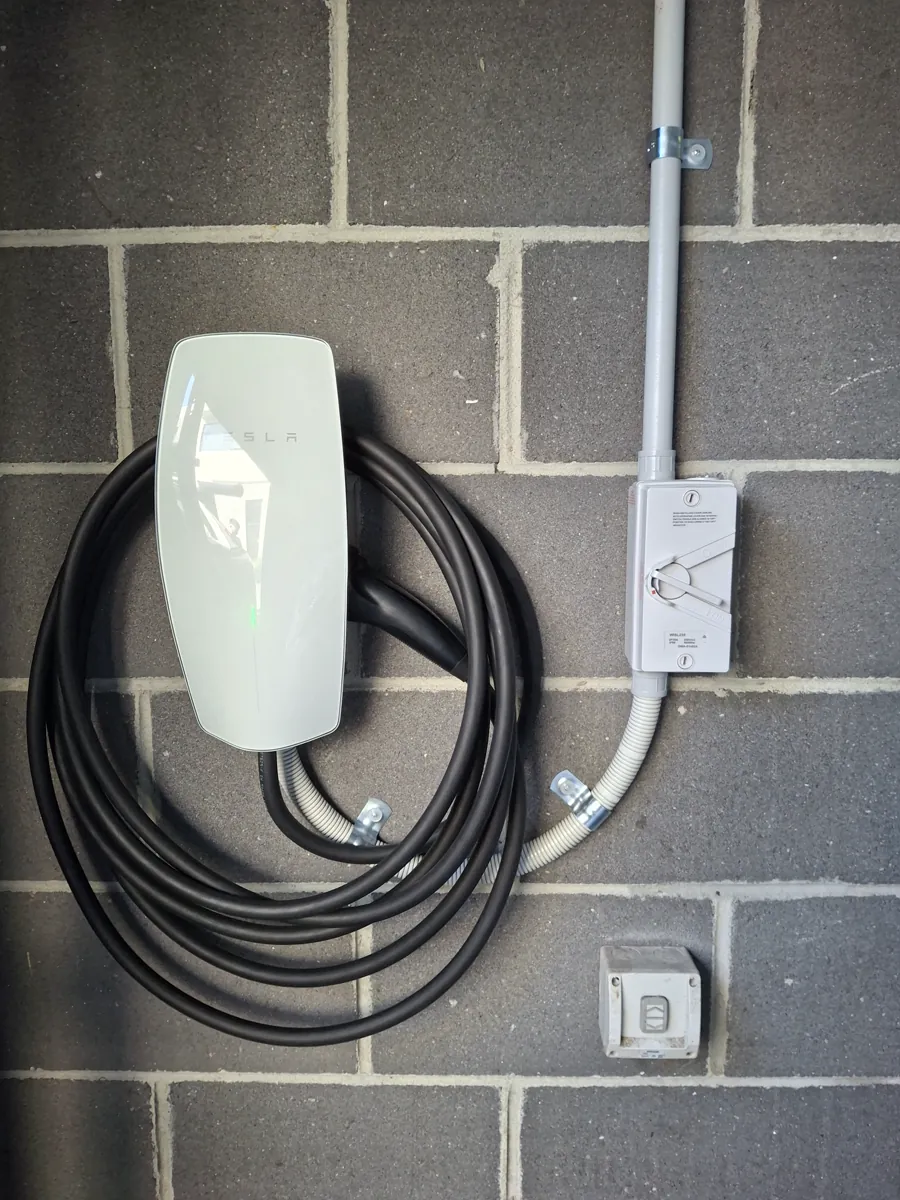
The practical starting point
An office car park can look like a suitable place for charging, but the best equipment depends on who is allowed to use it. A staff-only charger, shared company vehicle bay and public visitor unit have different expectations around access, operating hours and reporting. The available electrical supply must also be balanced against the normal building load. Start with the number of people likely to charge and how long they remain parked. That is more useful than buying one charger for every interested employee without checking whether the site can support simultaneous use.
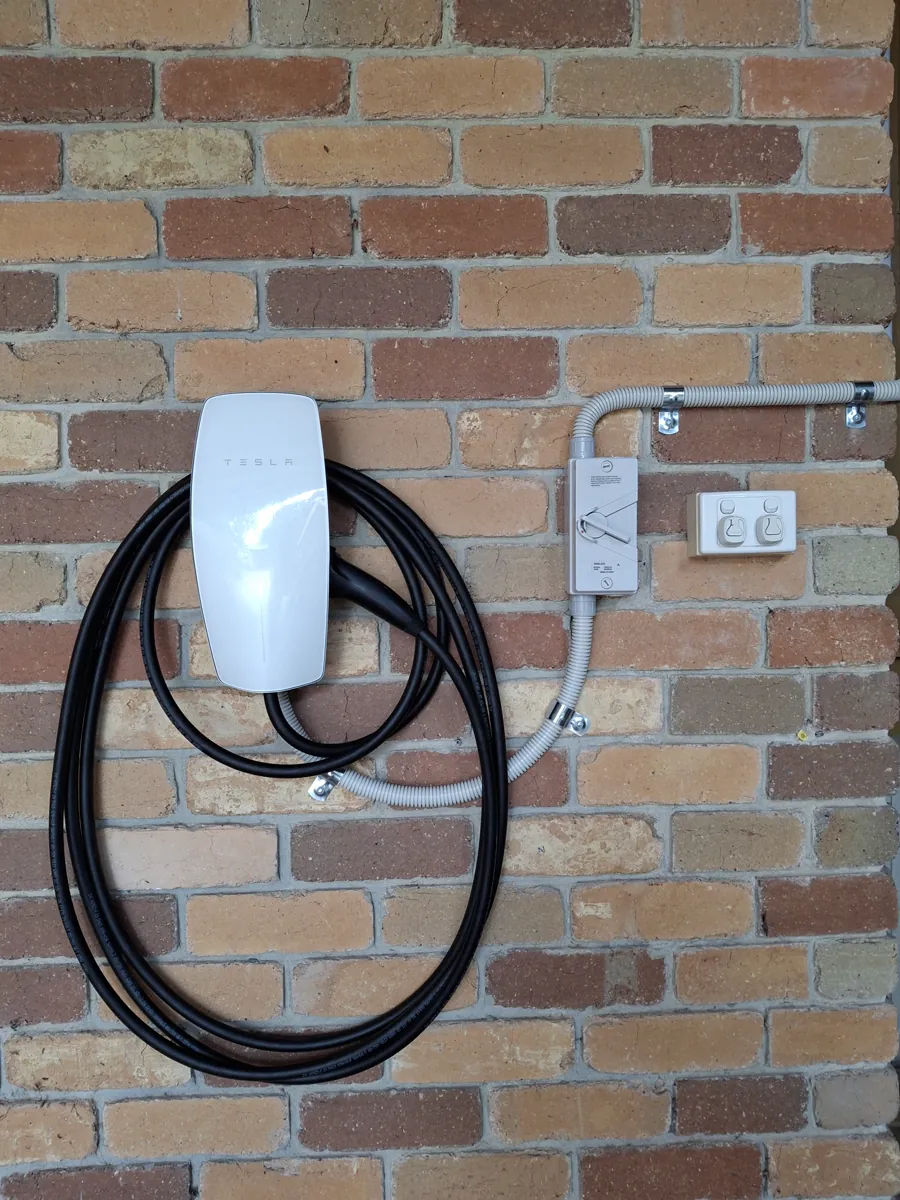
01 / EV charging guidance
The right electrical work depends on the equipment, available supply and site conditions. Workplace EV charging may require one or several AC charging positions, dedicated electrical circuits, suitable protection, visible parking arrangements and an agreed approach to user access. Compatible software can sometimes support user management or reporting, but features and subscriptions vary by product. A landlord, facilities manager or building owner may need to approve work. The quote should distinguish the physical installation from any ongoing software, billing or account administration. Electrical load and access must be assessed for the specific premises.
EV charging essentials
These are the details that can change the recommendation.
Staff often have long dwell times that may suit controlled AC charging. Decide whether spaces are reserved, shared or available by booking.
Customers and visitors may expect short, simple sessions. Check dwell time, signage, charging access and whether the system is intended to be publicly available.
Business-owned EVs may need priority charging before the next day. Separate their operational needs from casual employee use where necessary.
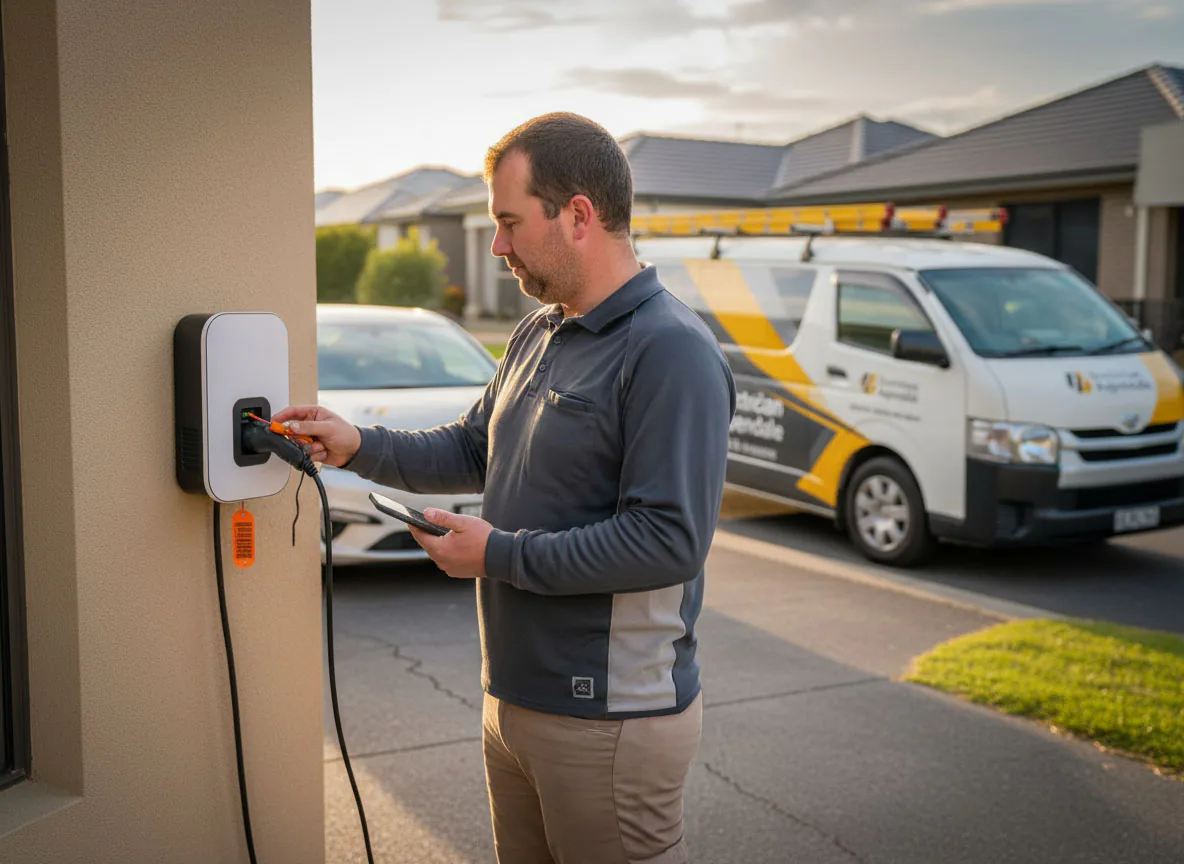
03 / EV charging guidance
A useful quote starts with the right information. The electrical work is scoped after the property, equipment and charging needs have been considered.
Identify who will use the chargers, parking duration, number of bays, business address and site owner or landlord. Share a basic car-park layout if available.
A technical review should check distribution boards, maximum demand, cable routes, protection, access controls and any approvals. Determine whether the first stage is a small staff offering or part of a wider plan.
Obtain a quote with equipment, circuit work, installation access and any connected services identified separately. A licensed provider must assess and complete the accepted electrical work.
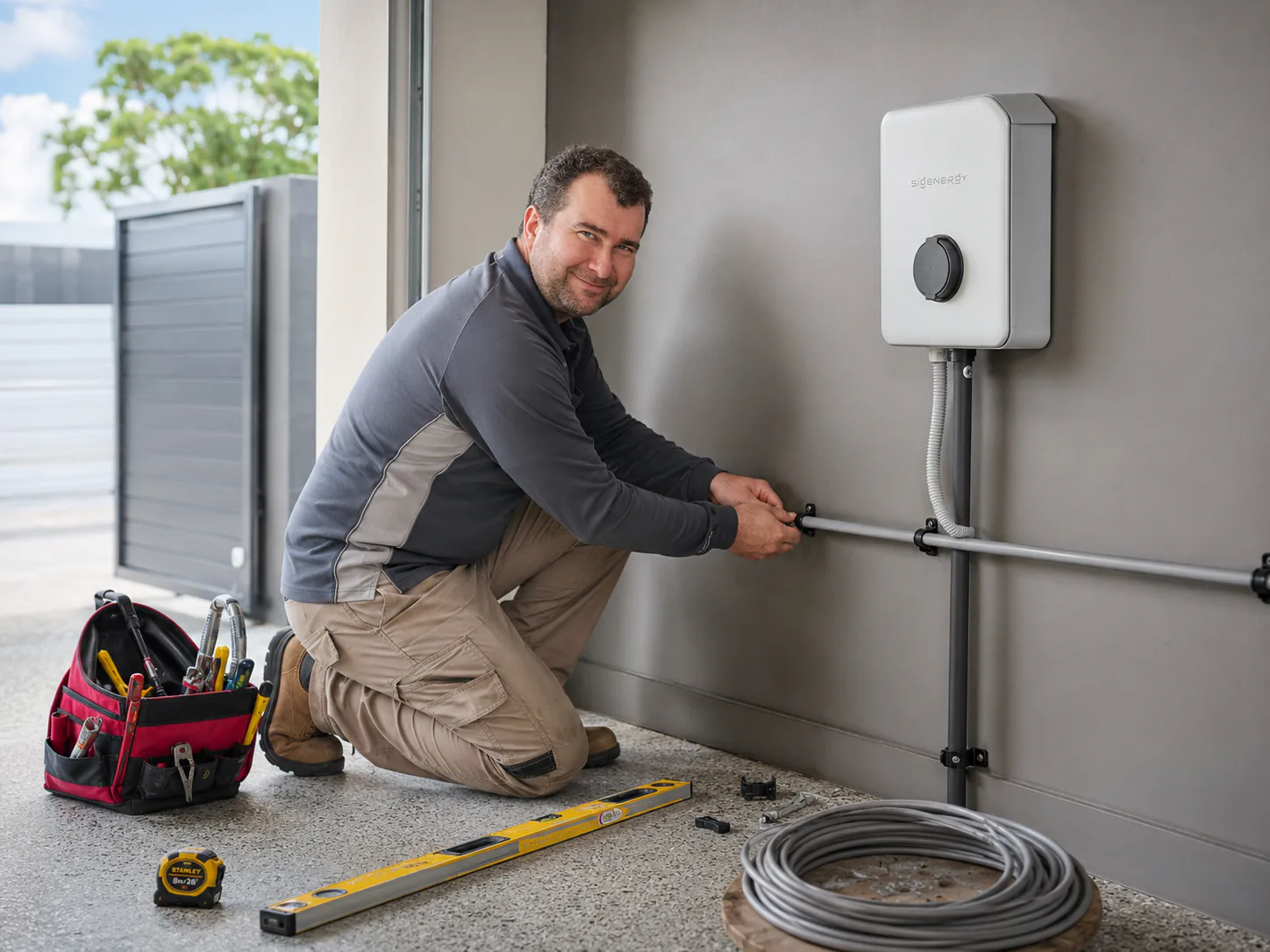
04 / EV charging guidance
The final scope should reflect the property and equipment, not an assumed standard installation.
Available supply and the number of simultaneous chargers may determine the need for load management or electrical upgrades.
Cable routes through shared car parks, landlord approvals, civil work and access outside office hours can affect installation.
Authentication, usage tracking or payment systems may need specific chargers, network access and separate ongoing arrangements.
Clear advice, tailored to site
The final scope should reflect the property and equipment, not an assumed standard installation.
05 / EV charging guidance
These pages cover connected decisions without repeating the same advice.
Commercial charging planning for business premises, parking layouts and electrical supply.
Fleet duty cycles, depot power requirements and staged charging planning.
Controlling simultaneous EV charging demand at homes, buildings and depots.
Helpful answers
Start with actual staff and visitor demand, how long vehicles remain parked and available power. A few shared chargers may suit some workplaces better than one per parking bay. The electrical feasibility review helps define the realistic first stage.
Some compatible systems support access or billing arrangements, but features, accounts and any ongoing costs vary. The employer should decide the policy before selecting hardware and confirm how electricity use will be recorded.
Connected features may rely on local Wi-Fi, cellular coverage or another supported network arrangement. Basic charging and management functions differ by model. Check connectivity at the actual car-park position before finalising the equipment.
Permission may be needed for electrical and property alterations. The lease, ownership of the equipment and arrangements at the end of the tenancy should be discussed with the property owner. A quotation does not replace property approval.
Managed charging may help control demand where compatible equipment and site conditions permit it. The available supply and existing electrical load still require assessment. Sharing power does not mean the chargers can be installed without appropriate circuits and protection.
Let’s get you charging
Tell us about your vehicle, parking space and property. EV Charger Install Melbourne can help you start a practical installation enquiry. Request an EV charger quote