Workplaces and offices
Consider how many staff vehicles are likely to charge during a working day and whether access should be restricted to authorised users. A charger in a reserved bay may serve a different need from shared visitor parking.
EV charging across Melbourne
Plan commercial EV charger installation in Melbourne around site capacity, parking demand, cable\ \ routes and a clear project scope. Request an assessment.

The practical starting point
A commercial installation has more moving parts than a charger on a wall. Staff, visitors and business vehicles may need access at different times. Your electrical supply must support the proposed demand alongside the building’s existing operations. Cable distances, protected mounting positions, access arrangements and any landlord approval also affect the project. Our approach begins with what the chargers need to achieve rather than a product catalogue. That makes it easier to compare a small first-stage installation with a larger charging plan, without committing to equipment the site has not been assessed to support.
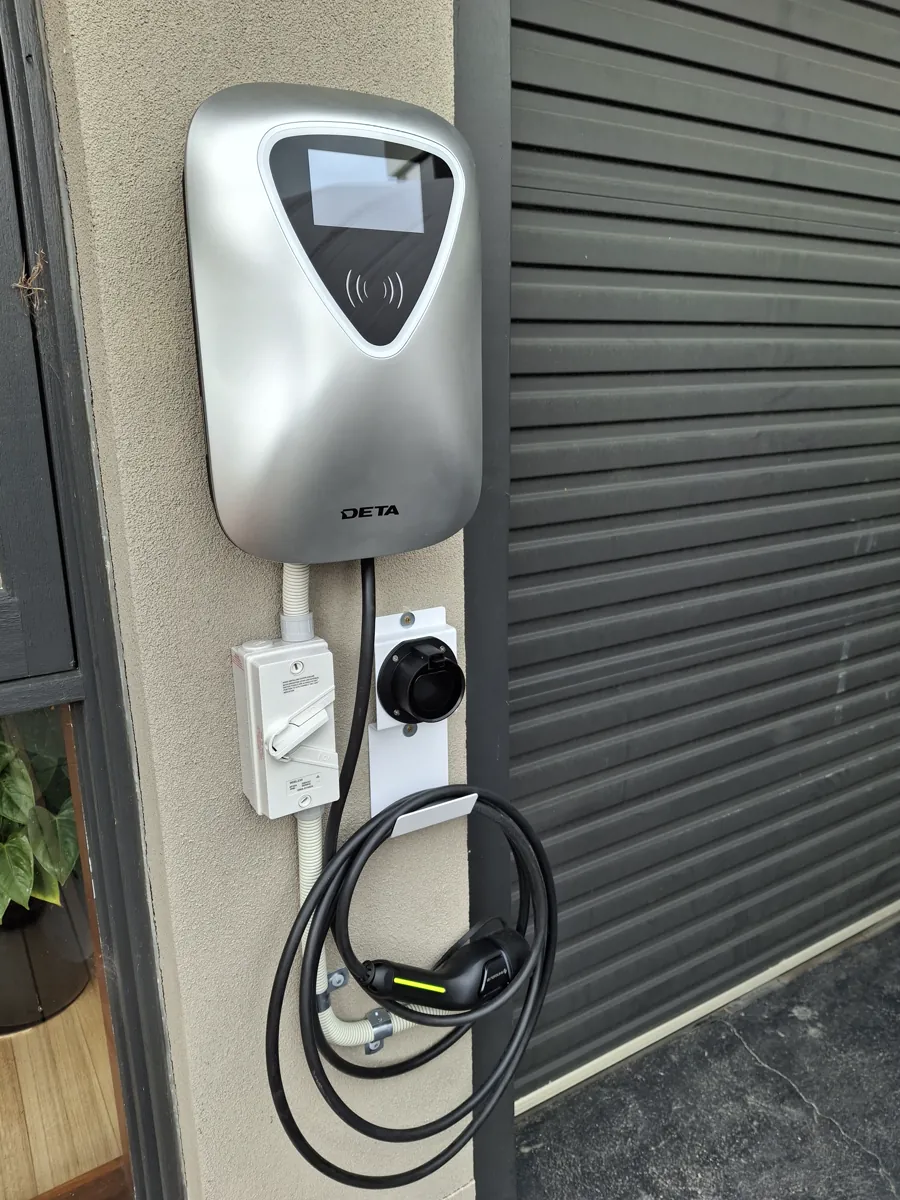
01 / EV charging guidance
The right electrical work depends on the equipment, available supply and site conditions. Commercial EV charging can involve one wall-mounted charger in a staff bay or several charging positions serving different vehicles. The useful starting figures are how long each vehicle remains parked, how much energy it needs during that period and how often multiple vehicles will charge together. An electrical assessment should then examine maximum demand, distribution boards, protection, cable pathways and practical access. Some sites may need managed charging or staged electrical changes. The final design, hardware, approvals and installation capacity must be confirmed before a project proceeds.
EV charging essentials
These are the details that can change the recommendation.
Consider how many staff vehicles are likely to charge during a working day and whether access should be restricted to authorised users. A charger in a reserved bay may serve a different need from shared visitor parking.
Visitor dwell times, signposting and the position of accessible bays influence the charging approach. The proposed units and electrical cable routes must work with normal customer and delivery movements.
Fleet vehicles often return together and leave on a timetable. Charging design should reflect daily distance, available overnight hours and whether power needs to be shared across several vehicles.
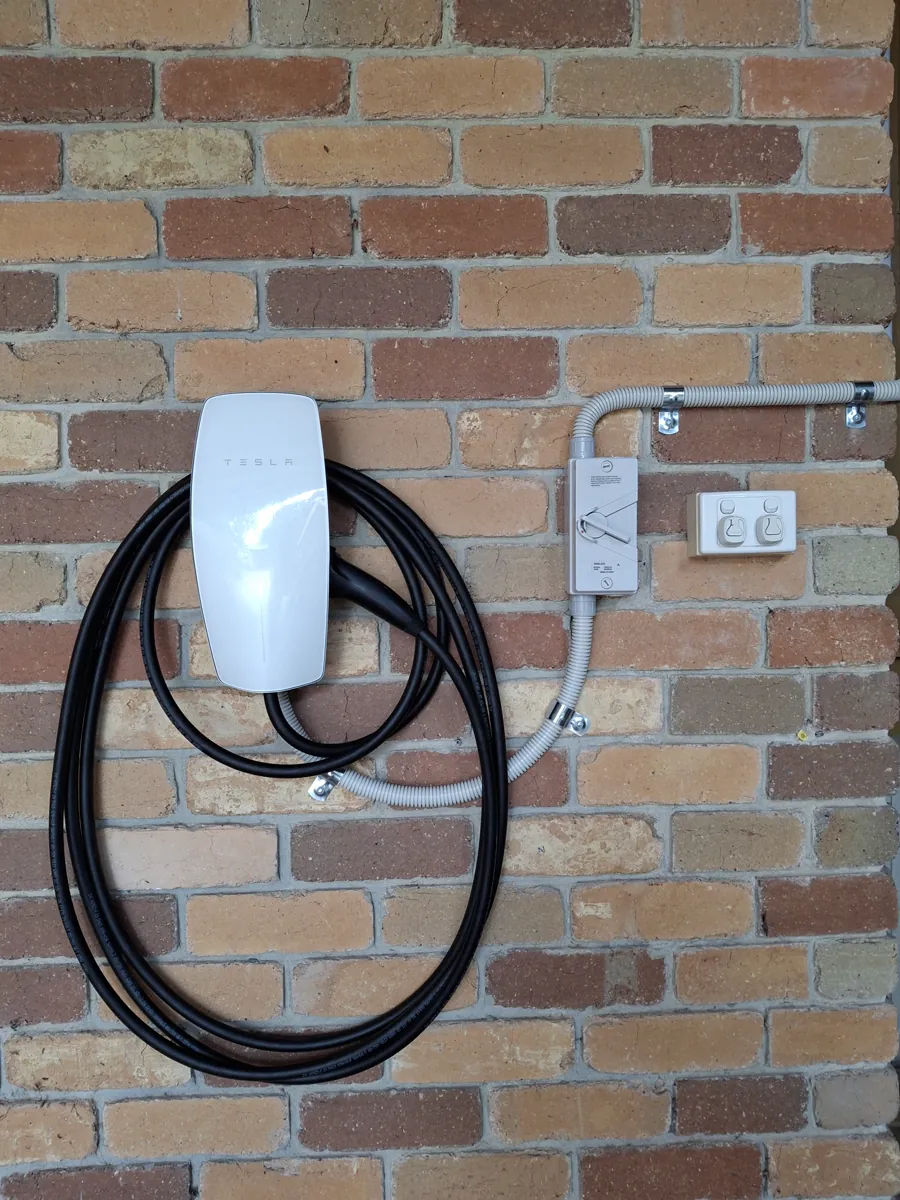
03 / EV charging guidance
A useful quote starts with the right information. The electrical work is scoped after the property, equipment and charging needs have been considered.
Outline the property type, number of parking spaces, vehicle mix, typical arrival times and any deadline. Site plans, an electricity bill and photographs of the distribution board help with an initial conversation.
An appropriately qualified electrician needs to consider available capacity, switchboards, charger placement, cable runs and whether vehicle charging could affect normal site operations. Landlord and building approvals may also be relevant.
Compare an initial stage with any longer-term requirement. Once the technical scope and provider capability are confirmed, the quote can identify the chargers, electrical works, access requirements and commissioning arrangements.
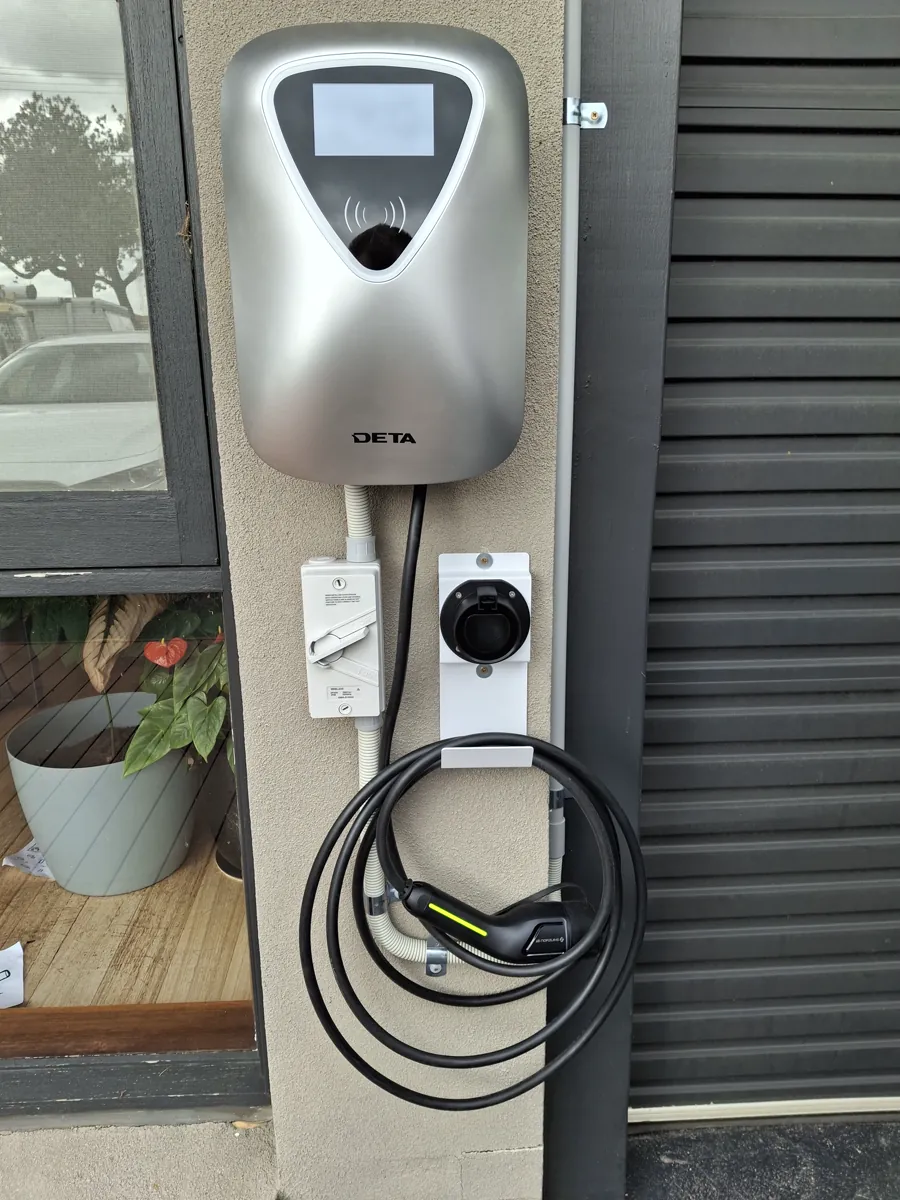
04 / EV charging guidance
The final scope should reflect the property and equipment, not an assumed standard installation.
The available supply and maximum demand can determine whether the proposed number of chargers is practical without further work.
Distance from boards to parking spaces, trenching, wall penetrations and exposed or underground routes can materially change labour and materials.
User access, charging schedules, load control and provision for later chargers should be considered separately from the base electrical installation.
Clear advice, tailored to site
The final scope should reflect the property and equipment, not an assumed standard installation.
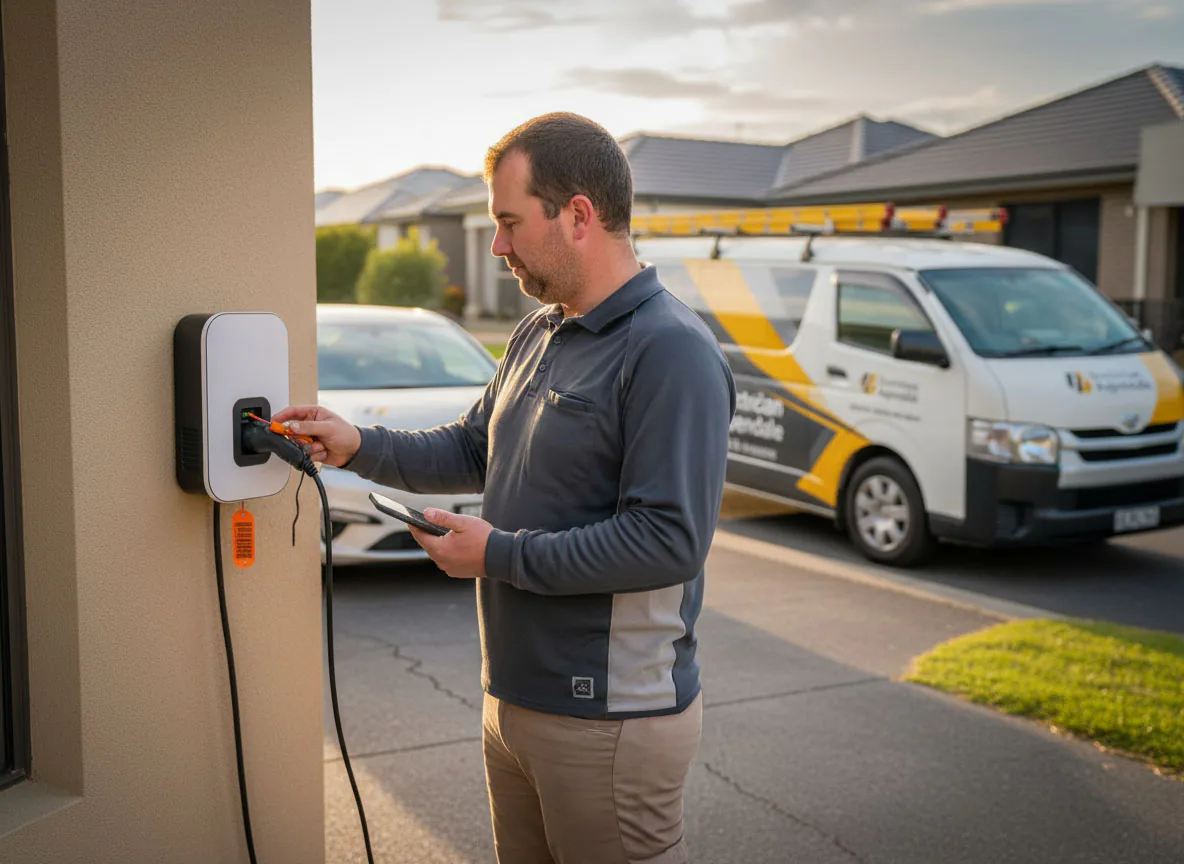
05 / EV charging guidance
These pages cover connected decisions without repeating the same advice.
Staff and visitor charging plans for workplaces and office parking.
Fleet duty cycles, depot power requirements and staged charging planning.
Controlling simultaneous EV charging demand at homes, buildings and depots.
What information to prepare before requesting an installation price or site assessment.
Helpful answers
There is no single ratio of chargers to parking bays that suits every business. Estimate vehicle numbers, daily energy needs, dwell times and how frequently cars overlap. A site with long staff parking periods may need a different arrangement from a busy visitor car park.
Possibly, but the existing supply cannot be judged from its size alone. The electrician must review the building load and likely simultaneous charging demand. Options can involve a smaller initial installation, controlled charging rates or supply changes, depending on the site.
That depends on the charger system and the agreed project scope. Some charging setups support user authentication, reporting or payment through separate software and services. Confirm those ongoing costs, administration responsibilities and connectivity requirements before choosing equipment.
A staged approach can be practical if the electrical design accounts for likely later demand. Early choices about cable routes, spare capacity and mounting positions can reduce disruption, but the feasibility of an expansion still depends on a later capacity review.
Share the site address, parking layout, expected vehicle numbers, likely dwell times and any known supply information. Photographs of the switchboards and the intended charger locations are useful. State whether the site is owner-occupied, tenanted or managed by a third party.
Let’s get you charging
Tell us about your vehicle, parking space and property. EV Charger Install Melbourne can help you start a practical installation enquiry. Request an EV charger quote