Model and connector
Record the exact Ocular model and whether the unit comes with a tethered cable or other specified connection arrangement.
EV charging across Melbourne
Considering an Ocular EV charger in Melbourne? Review exact model requirements, wall mounting,\ \ supply capacity and smart features before installation.

The practical starting point
Brand names cover different charger designs and functions. An Ocular model aimed at a home garage can have different installation requirements from equipment used in a commercial setting. Even within a product range, connector options, supported charging rates and connected features may vary. The right starting point is the complete model designation and current technical documentation, together with a photo of the switchboard and the intended mounting spot. That gives a qualified installer useful information to assess whether the unit is suitable instead of relying on a brand label alone.
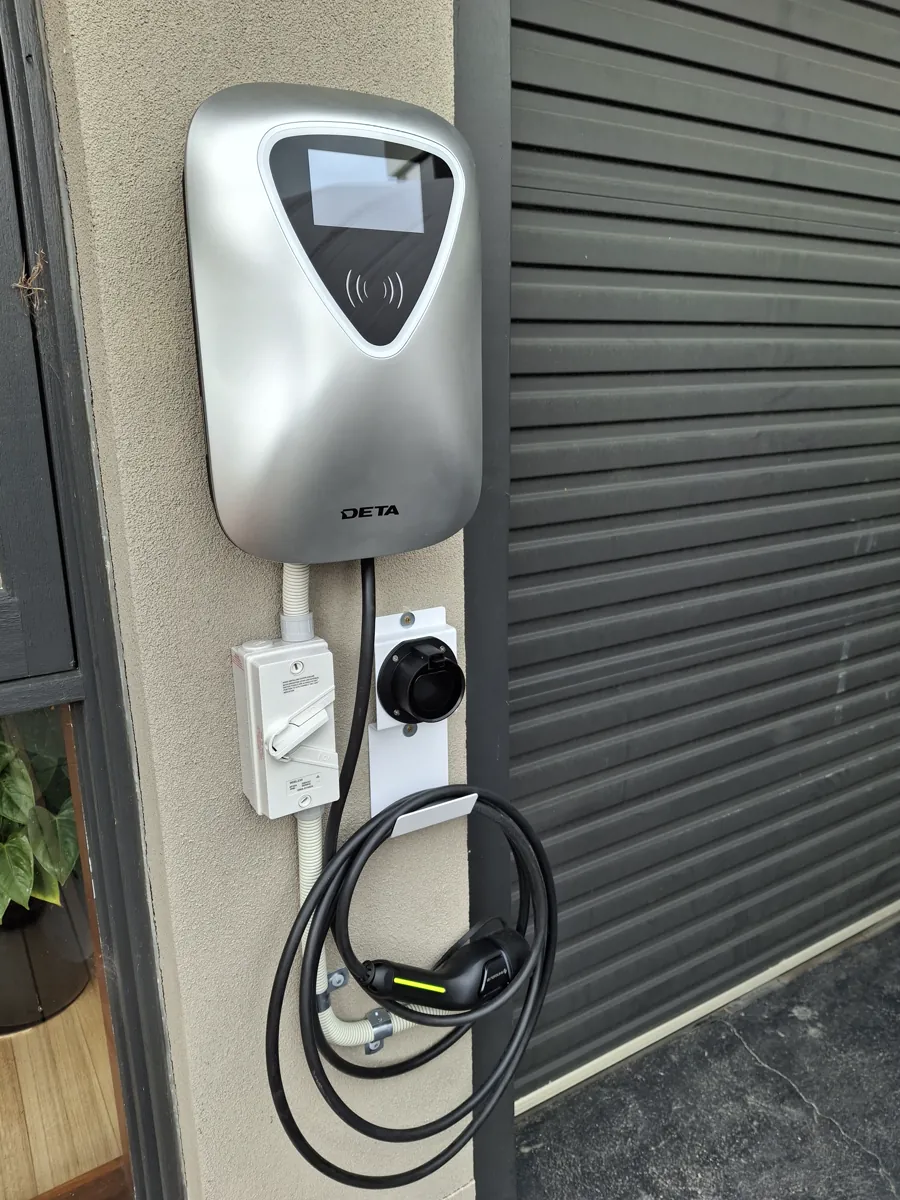
01 / EV charging guidance
The right electrical work depends on the equipment, available supply and site conditions. An Ocular charger assessment should examine vehicle and connector compatibility, the unit’s rated electrical requirements, available power, protection, mounting and cable route. If app connectivity or energy management is important, the specific model’s supported features and any additional hardware need checking. Existing supply conditions determine the practical charging rate. Installation and commissioning capability must be confirmed for the exact product rather than inferred from general EV charger experience.
EV charging essentials
These are the details that can change the recommendation.
Record the exact Ocular model and whether the unit comes with a tethered cable or other specified connection arrangement.
Check the electrical requirements against your single-phase or three-phase availability, existing household loads and the vehicle’s onboard limit.
Verify the current app, Wi-Fi or network requirements for the model. Do not assume every Ocular charger has the same software functions.
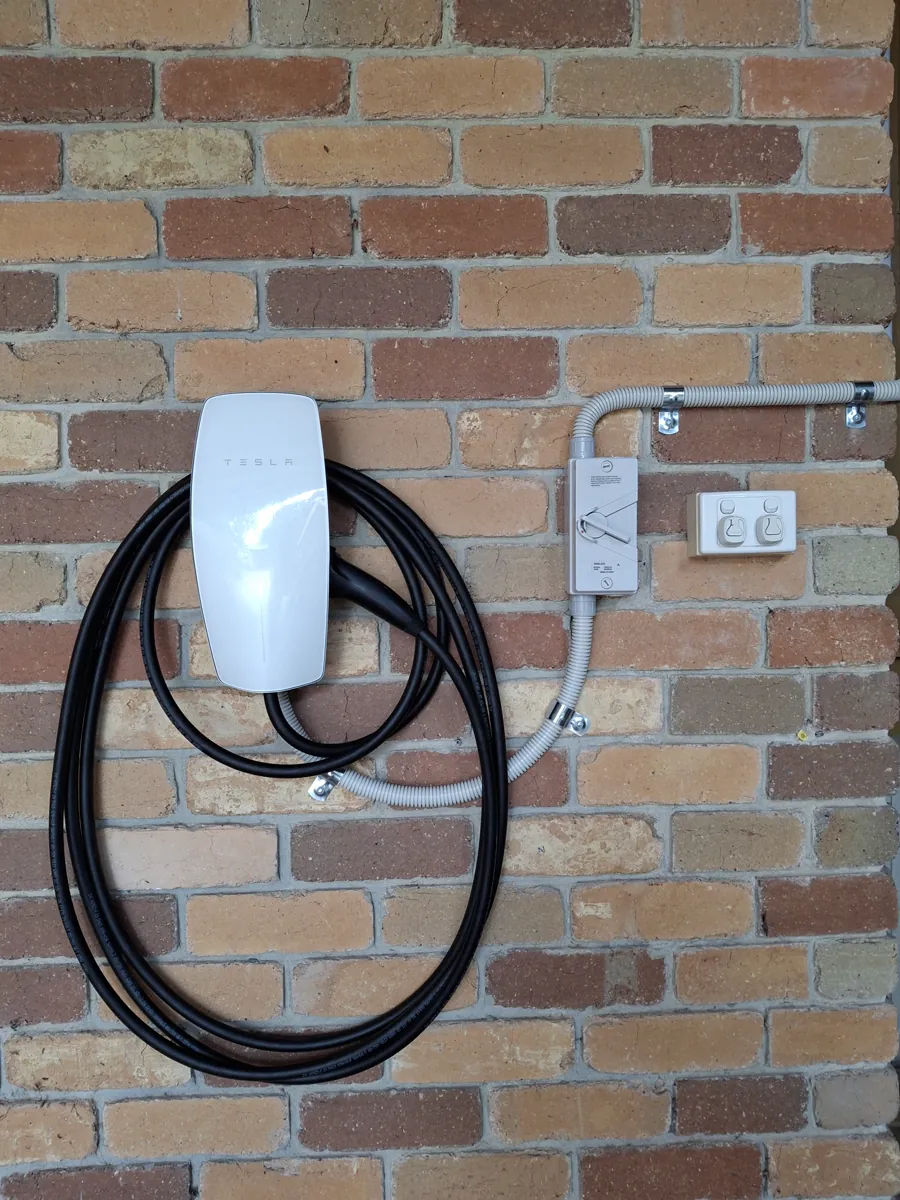
03 / EV charging guidance
A useful quote starts with the right information. The electrical work is scoped after the property, equipment and charging needs have been considered.
Share the Ocular product model, vehicle, property address, switchboard photo and proposed charger location. Send the manufacturer instructions if you already bought the unit.
The product’s requirements are checked against circuit design, protection, available supply and compatibility. The provider also confirms whether the exact model can be supported.
Once technical suitability and support are established, a quote can identify installation, mounting, testing and any model-specific commissioning requirements.
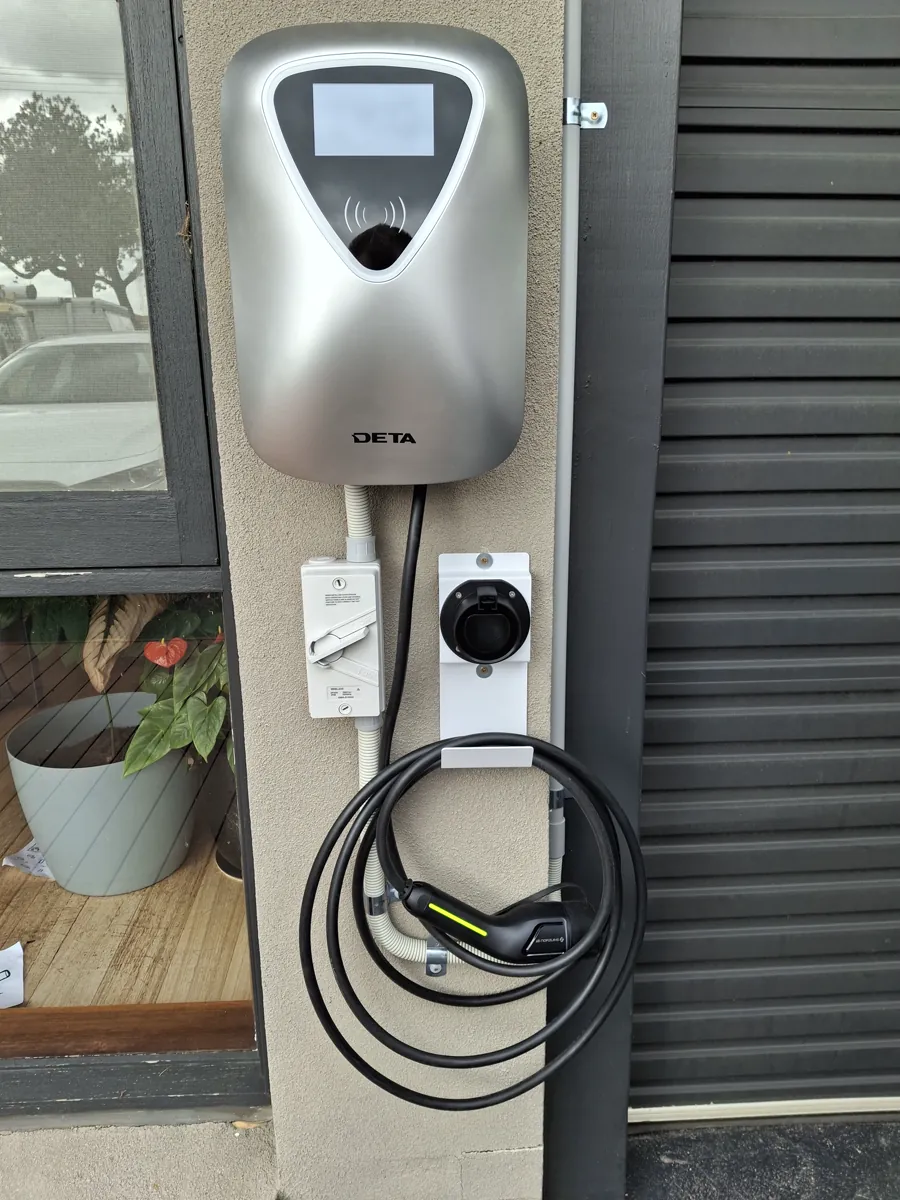
04 / EV charging guidance
The final scope should reflect the property and equipment, not an assumed standard installation.
The particular model can change circuit, protection, control and commissioning requirements.
Wall material, distance from the switchboard and indoor or outdoor exposure can affect the installation.
Monitoring, connection accessories or compatible control hardware may need separate allowance where supported.
Clear advice, tailored to site
The final scope should reflect the property and equipment, not an assumed standard installation.
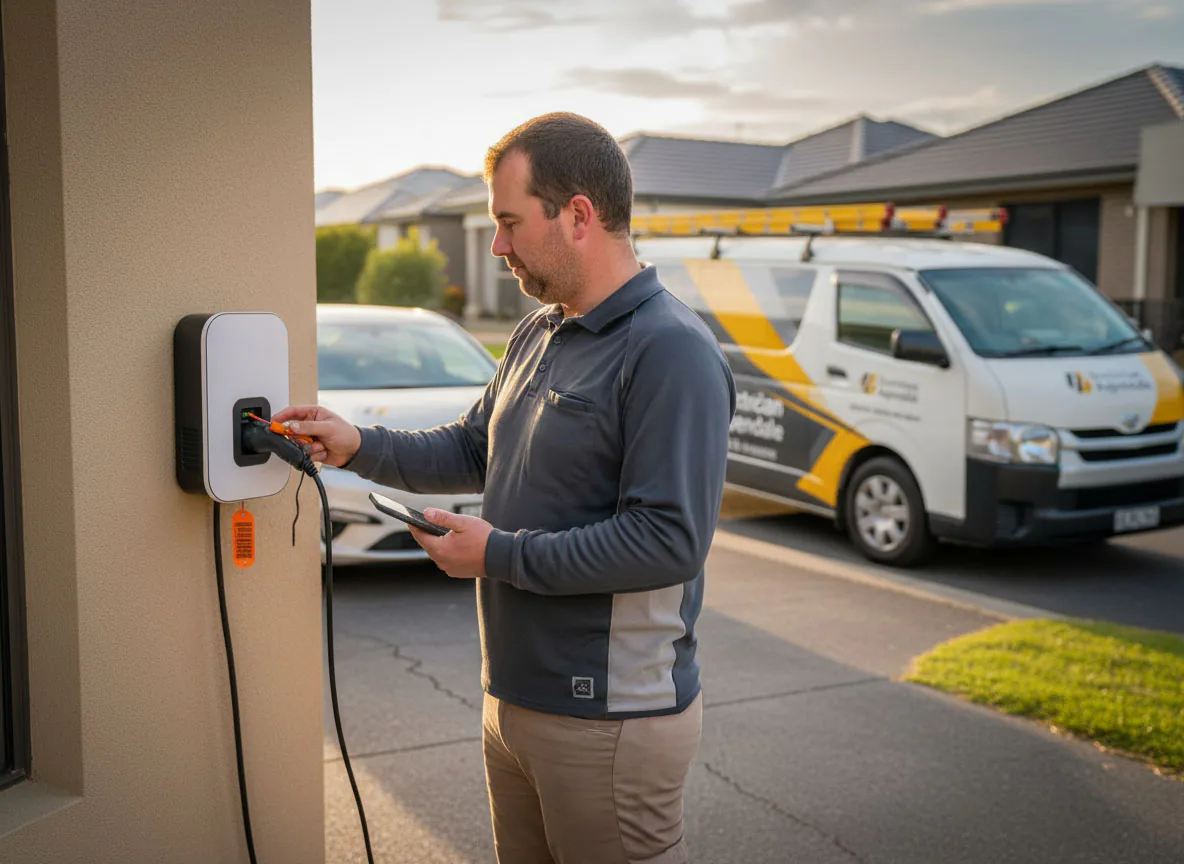
05 / EV charging guidance
These pages cover connected decisions without repeating the same advice.
Compatibility, scope and warranty considerations for a wall charger you already own.
Home charger selection, practical siting, electrical checks and installation planning.
App control, schedules, network coverage and smart charging commissioning.
Helpful answers
No. Different models can have different electrical ratings, connection arrangements, monitoring options and installation instructions. A qualified installer should use the documentation for the exact device proposed.
That depends on the model’s stated environmental suitability and the actual exposure. Mounting material, cable access and safe electrical routing also matter. Check current manufacturer instructions rather than assuming that all wall units are weatherproof.
Not automatically. The property supply, circuit configuration and vehicle’s onboard AC charger limit the actual rate. The charger may need to be configured below its advertised maximum where site conditions require.
You can request an assessment using the exact model and product information. An installer must confirm that the unit is suitable and that the necessary components and instructions are available before agreeing to fit it.
Connected faults can have different support routes from electrical installation problems. Check the current product and warranty instructions. A provider should clarify the scope of any commissioning or technical support offered for the specific model.
Let’s get you charging
Tell us about your vehicle, parking space and property. EV Charger Install Melbourne can help you start a practical installation enquiry. Request an EV charger quote