Solar monitoring arrangement
A solar-aware configuration depends on the monitoring and sensing arrangement specified for the system. Confirm the compatible components before making assumptions about surplus charging.
EV charging across Melbourne
Considering a myenergi Zappi charger in Melbourne? Explore solar-aware modes, electrical supply,\ \ compatible monitoring and practical installation requirements.

The practical starting point
Solar-aware charging works best when the charger has the correct information about what the house is using and generating. That may involve compatible metering, sensors or other equipment installed as specified by the manufacturer. The Zappi model, your inverter, the switchboard and the vehicle all contribute to the installation decision. Before ordering, check where the car is parked, whether the charger needs weather protection and whether the site has usable network coverage. The final configuration should be based on current product instructions, not a generic assumption that every solar system works the same way.
01 / EV charging guidance
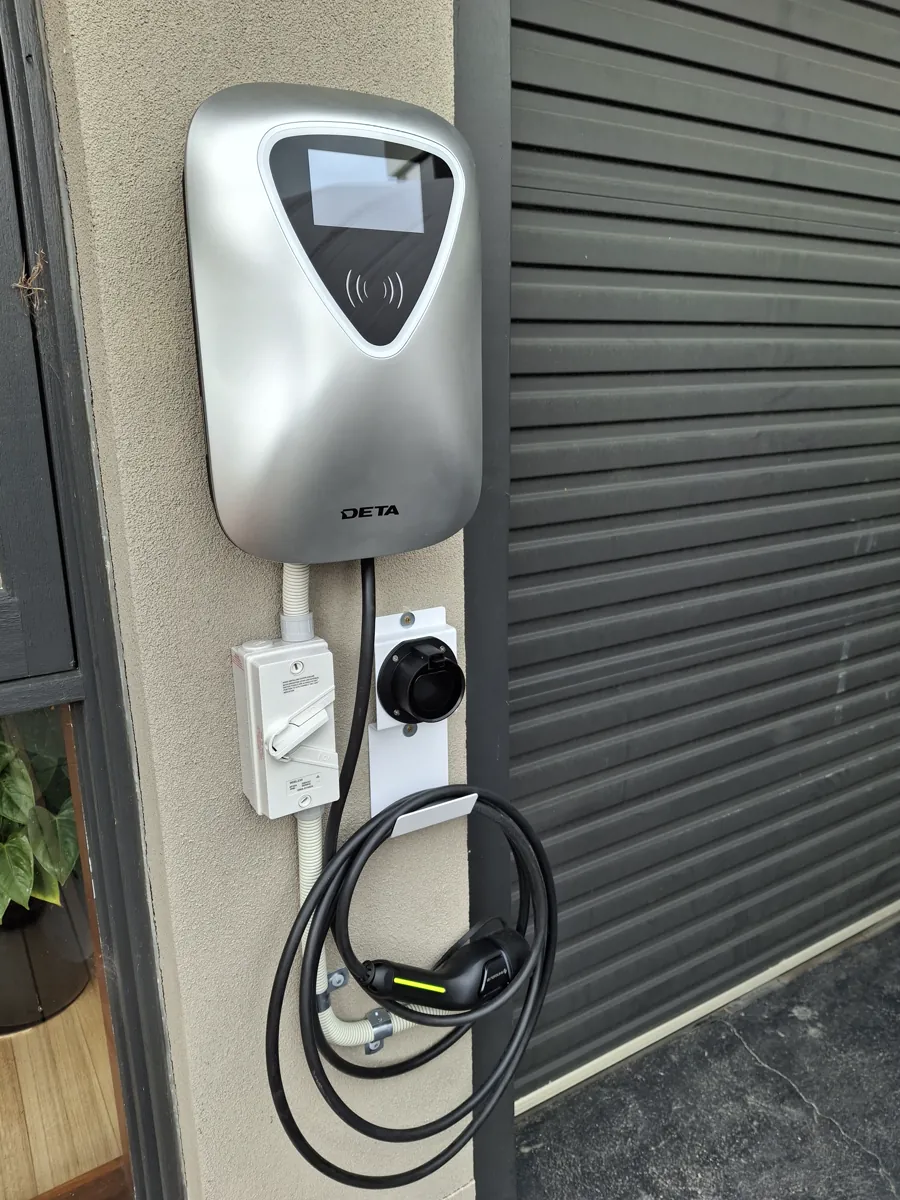
The right electrical work depends on the equipment, available supply and site conditions. A Zappi installation assessment covers mounting, electrical circuit requirements, available supply, protection, monitoring compatibility and commissioning. Different models and electrical supply arrangements may have different capabilities. Some owners primarily want scheduled charging, while others want a mode that responds to surplus solar generation. Those objectives are not interchangeable. The correct hardware and configuration should be confirmed by checking the chosen device, existing energy equipment and the vehicle’s AC charging limits before installation.
EV charging essentials
These are the details that can change the recommendation.
A solar-aware configuration depends on the monitoring and sensing arrangement specified for the system. Confirm the compatible components before making assumptions about surplus charging.
Decide whether solar priority, time-based charging or regular charging best fits when the EV is home. Mode behaviour can vary with available energy and equipment settings.
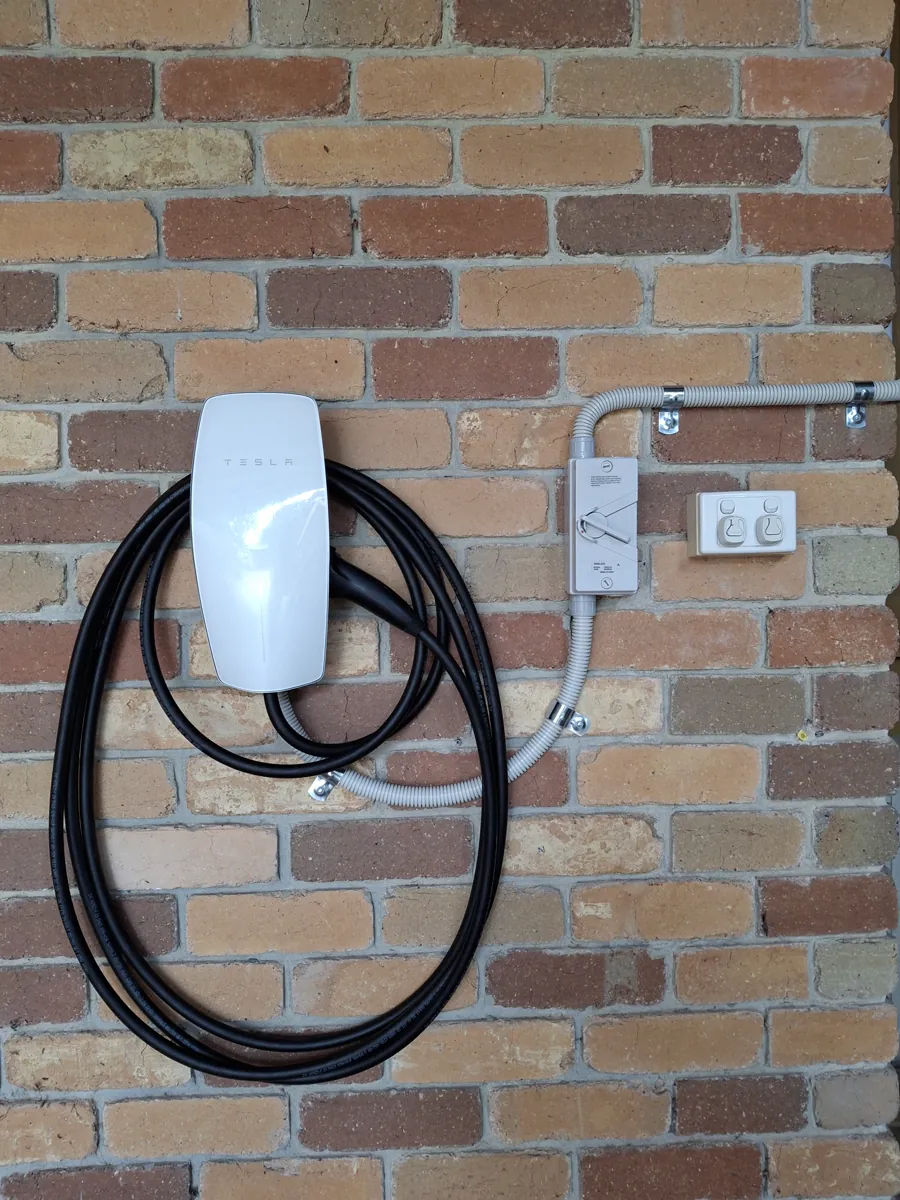
The wall position needs practical cable access and suitable environmental protection. Setup and connected functions can also depend on the network conditions at the charger.
03 / EV charging guidance
A useful quote starts with the right information. The electrical work is scoped after the property, equipment and charging needs have been considered.
Share the exact Zappi model, car make and model, inverter details and switchboard photographs. Identify where the charger would be mounted and whether it is already purchased.
The electrician checks current product guidance against available power, the dedicated circuit and monitoring requirements. Solar-aware features also require confirmation of compatible sensing and configuration.
The agreed scope should distinguish electrical installation from monitoring and connected configuration. A completed setup should be tested, with charging modes explained in terms of what the system can actually detect and control.
04 / EV charging guidance
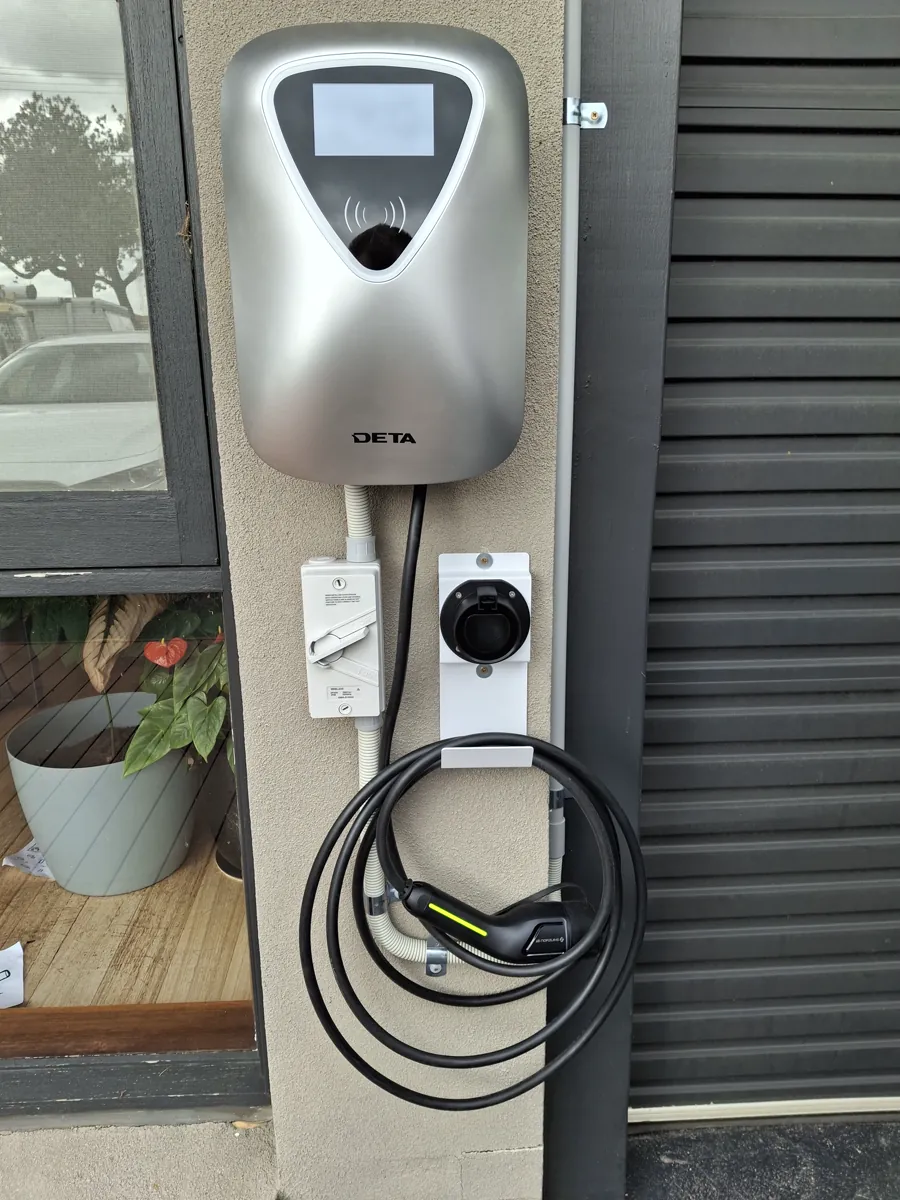
The final scope should reflect the property and equipment, not an assumed standard installation.
The exact unit and property supply determine possible configurations and charging rates.
Compatible energy sensors, metering locations and any additional wiring can affect materials and commissioning time.
Replacement or integration work may involve reviewing old equipment, existing circuits and the current inverter arrangement.
Clear advice, tailored to site
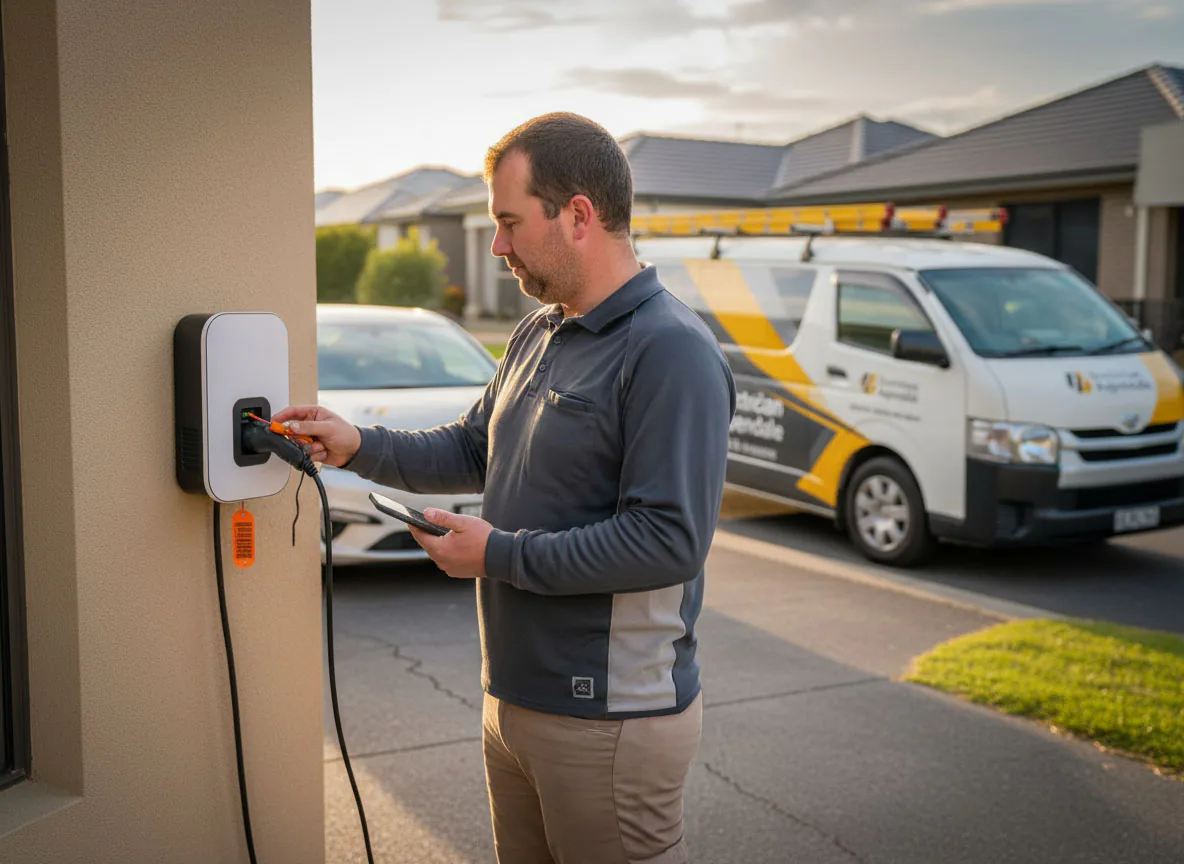
The final scope should reflect the property and equipment, not an assumed standard installation.
05 / EV charging guidance
These pages cover connected decisions without repeating the same advice.
Using existing solar generation with a compatible home charging setup.
Compatibility, scope and warranty considerations for a wall charger you already own.
App control, schedules, network coverage and smart charging commissioning.
Helpful answers
Compatibility depends on the exact system arrangement, available monitoring methods and current manufacturer guidance. The presence of rooftop solar alone does not establish that all surplus-charging functions will work. Check the inverter, monitoring and Zappi model together.
Depending on the chosen model and configuration, a Zappi may be used as an EV wall charger without rooftop solar. Solar-aware features will have different relevance in that situation. Confirm the electrical supply and supported modes before deciding.
Not necessarily. Energy availability changes with weather and household demand, while EVs and chargers have operating limits. The selected mode and system settings determine how charging behaves when surplus generation is low.
The answer depends on the product variant and the charging capability you want. A suitably configured model may support a single-phase installation, while a different model and property supply may offer other options. Check current specifications and vehicle limits.
A customer-supplied unit can be considered after its model, condition, instructions and associated monitoring equipment are checked. The electrical quote should state what is supplied by you and what commissioning and testing work is included.
Let’s get you charging
Tell us about your vehicle, parking space and property. EV Charger Install Melbourne can help you start a practical installation enquiry. Request an EV charger quote