Single-phase home charging
Often considered for everyday overnight charging where a suitable single-phase supply and appropriately configured charger meet the vehicle’s energy needs.
EV charging across Melbourne
Compare single-phase and three-phase EV charging in Australia. Understand 7 kW, 11 kW and 22\ \ kW ratings, vehicle limits and home supply requirements.
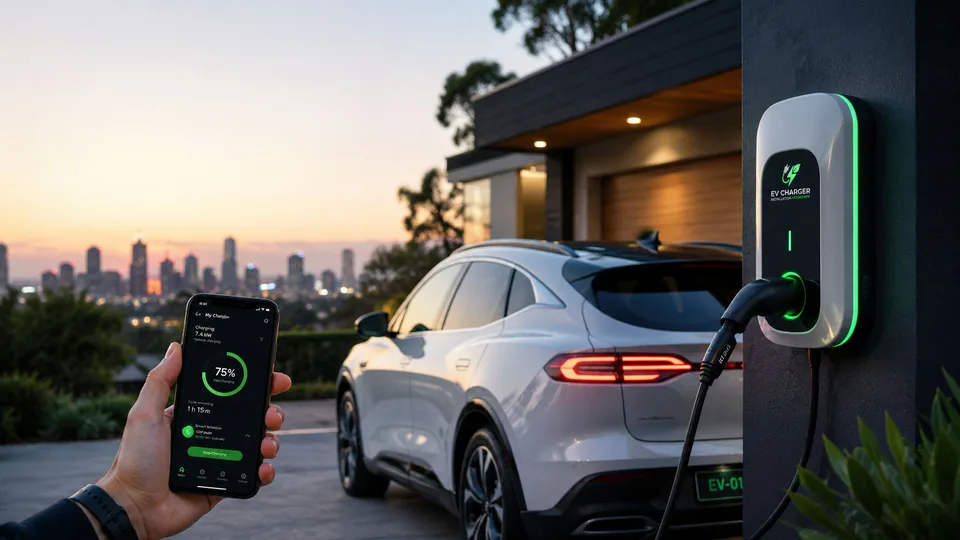
The practical starting point
A charger product may advertise 7 kW, 11 kW or 22 kW, but that number is not a promise of what will reach your car. The vehicle’s onboard AC charger may accept less than the wall unit can deliver. The electrical supply and configured circuit also set limits, while other household loads affect the capacity available. Many EV owners have several hours to charge overnight, so the most useful question is how much energy needs to be recovered in that time. That helps you decide whether single-phase charging can meet the need or whether investigating a three-phase arrangement makes sense.
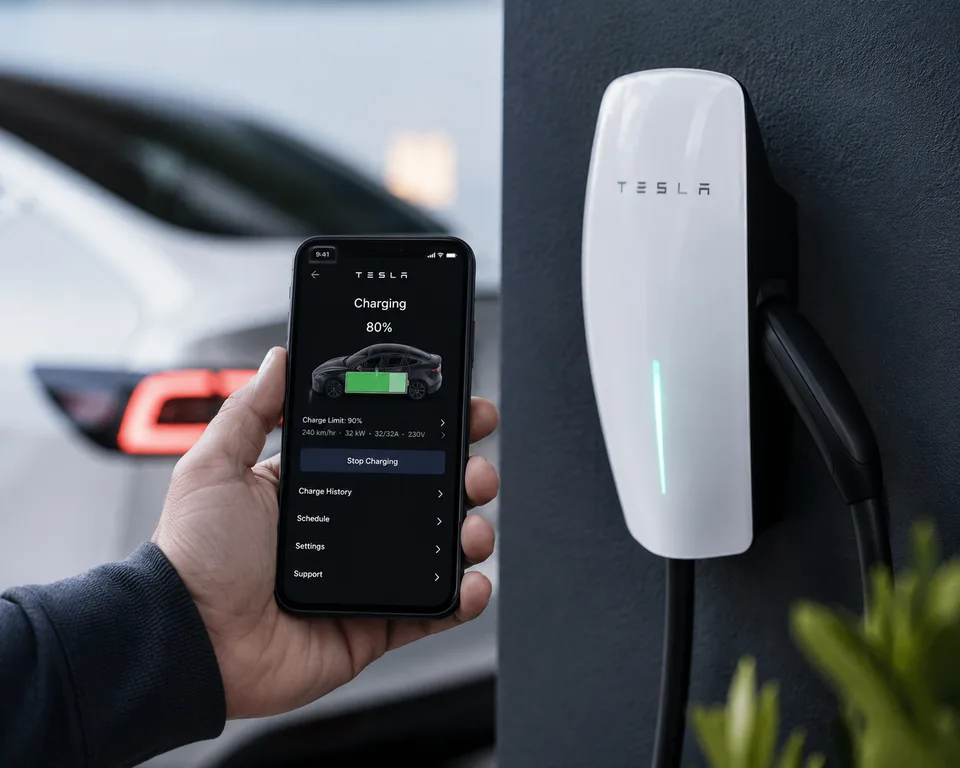
01 / EV charging guidance
The right electrical work depends on the equipment, available supply and site conditions. Single-phase charging uses one phase of the available AC supply. Three-phase charging can distribute an appropriately designed load across three phases and support different charger power configurations when the connection, wiring, equipment and vehicle permit it. A three-phase property does not necessarily have enough spare capacity for a high-rated charger, and a three-phase wall unit cannot force the car to accept more AC power than its onboard limit. A qualified electrician must check maximum demand, circuit protection and the proposed charger configuration for the actual property.
EV charging essentials
These are the details that can change the recommendation.
Often considered for everyday overnight charging where a suitable single-phase supply and appropriately configured charger meet the vehicle’s energy needs.
May allow higher nominal AC charging rates with a suitable vehicle and electrical supply, but can involve additional equipment or electrical work.
Charging-time controls or compatible load management may improve use of available supply regardless of phase arrangement, subject to site conditions.
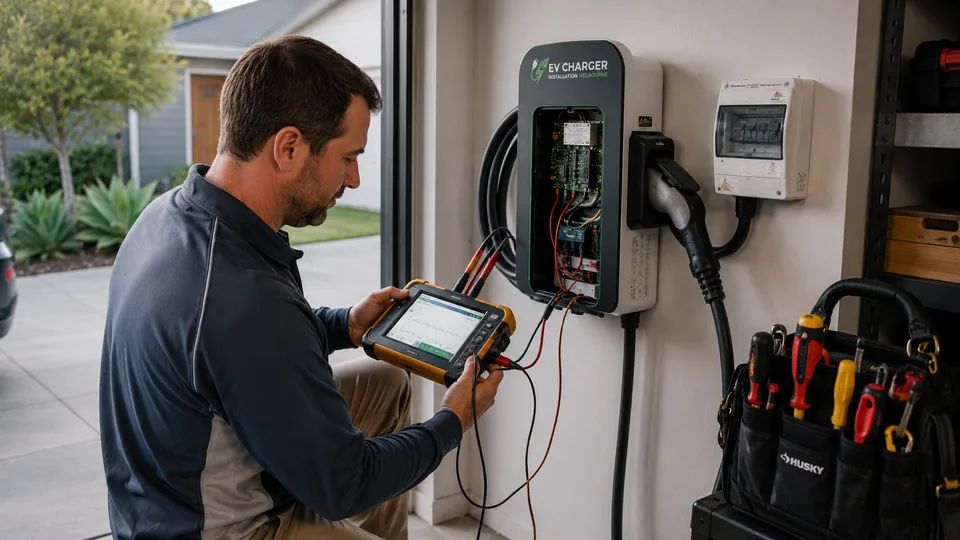
03 / EV charging guidance
A useful quote starts with the right information. The electrical work is scoped after the property, equipment and charging needs have been considered.
Record the vehicle’s verified AC charging limit, typical daily distance and usual time at home. That gives context to a charger power rating.
Ask a licensed electrician to assess available supply, board condition, maximum demand and the proposed cable route. A charger setting should not be chosen from an online power table alone.
Compare a suitable single-phase setup with any feasible three-phase option on real charging outcomes and the cost of the entire installation.
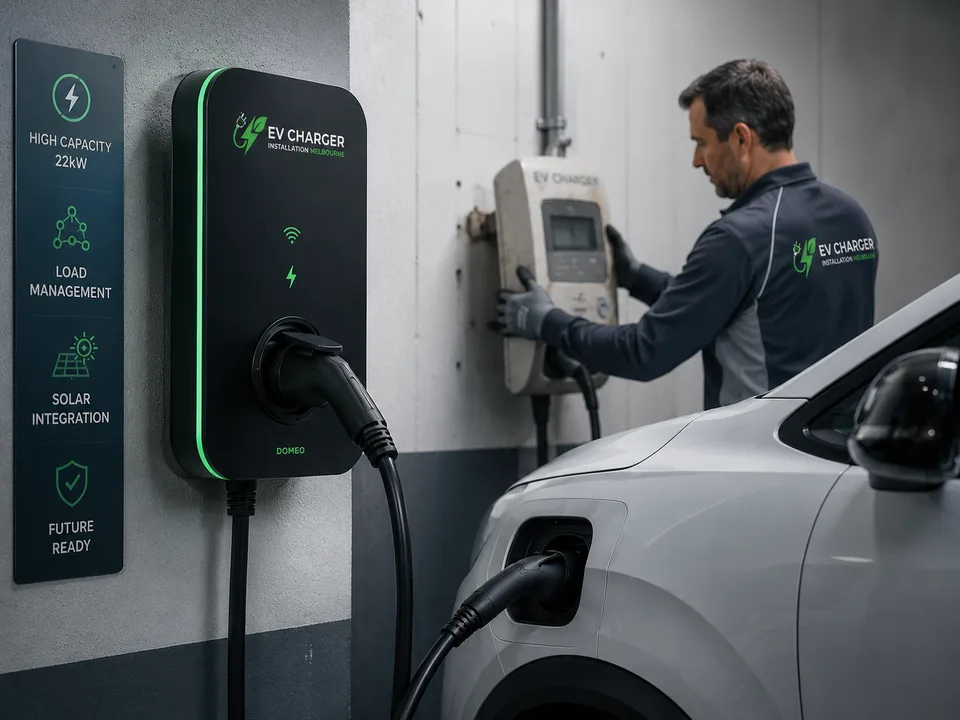
04 / EV charging guidance
A few checks now make the next conversation more productive. Check the exact vehicle’s maximum AC charging acceptance before comparing wall-unit power ratings. Estimate the amount of energy needed and the hours the car is normally parked at home. Find out whether the home has single- or three-phase supply and what capacity is realistically available. Compare any extra electrical work with the practical improvement in charging time for your actual use.
Clear advice, tailored to site
A few checks now make the next conversation more productive. Check the exact vehicle’s maximum AC charging acceptance before comparing wall-unit power ratings. Estimate the amount of energy needed and the hours the car is normally parked at home. Find out whether the home has single- or three-phase supply and what capacity is realistically available. Compare any extra electrical work with the practical improvement in charging time for your actual use.
05 / EV charging guidance
These pages cover connected decisions without repeating the same advice.
Single-phase wall charger suitability and the practical limits of a 7 kW-class setup.
Higher-power AC charging limits and three-phase supply assessment.
Supply checks, dedicated circuit needs and the difference between a suitable board and an upgrade.
Helpful answers
Not always. Three-phase equipment may support more AC power where the site and vehicle allow it. If the vehicle’s onboard charger is limited to a lower rate or the property cannot provide the additional power, the actual difference may be small or zero.
Only where the charger, suitable electrical supply, configured circuit and vehicle AC acceptance capability support that rate. Other building loads and electrical limits also matter. The number on the product is not a guaranteed charging result.
It can be, depending on daily energy use, charging hours and the rate supported by the home and vehicle. Many households focus on recovering ordinary daily driving energy overnight rather than charging an empty battery as quickly as possible.
It may be technically compatible in some arrangements, but the car will not accept power beyond its onboard limit. Before paying for a higher-rated unit, check whether its other features or future needs justify the choice.
That decision needs a comparison of vehicle capability, charging routine, upgrade cost and existing electrical capacity. Sometimes a suitable single-phase charger or managed schedule meets the need. A licensed provider can advise on the technical feasibility of any supply change.
Let’s get you charging
Tell us about your vehicle, parking space and property. EV Charger Install Melbourne can help you start a practical installation enquiry. Request an EV charger quote