Damaged cable or connector
Cuts, exposed conductors, deformation or unusual heat require the equipment to be left unused pending qualified advice.
EV charging across Melbourne
Learn when EV charger maintenance and safety checks may be useful in Melbourne, including visible\ \ wear, faults, charging cables and manufacturer guidance.
The practical starting point
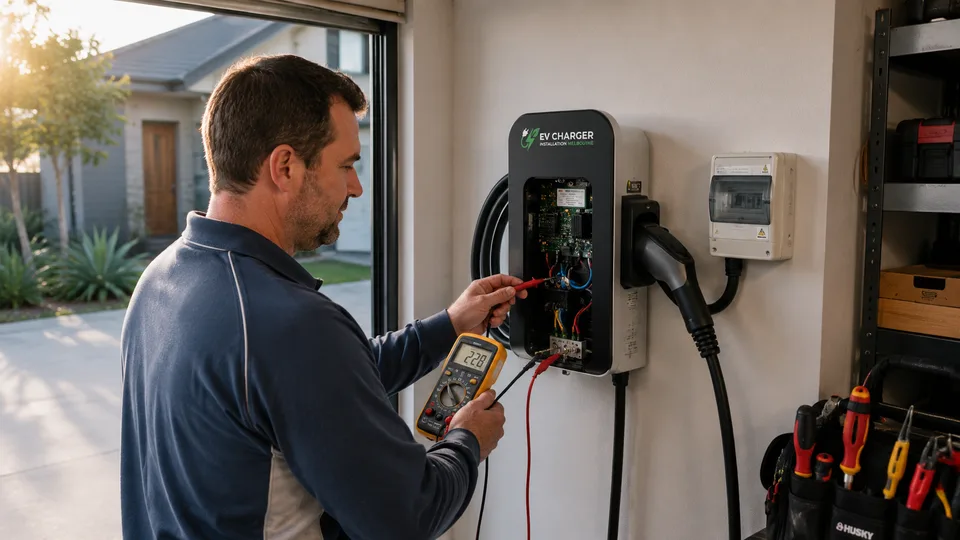
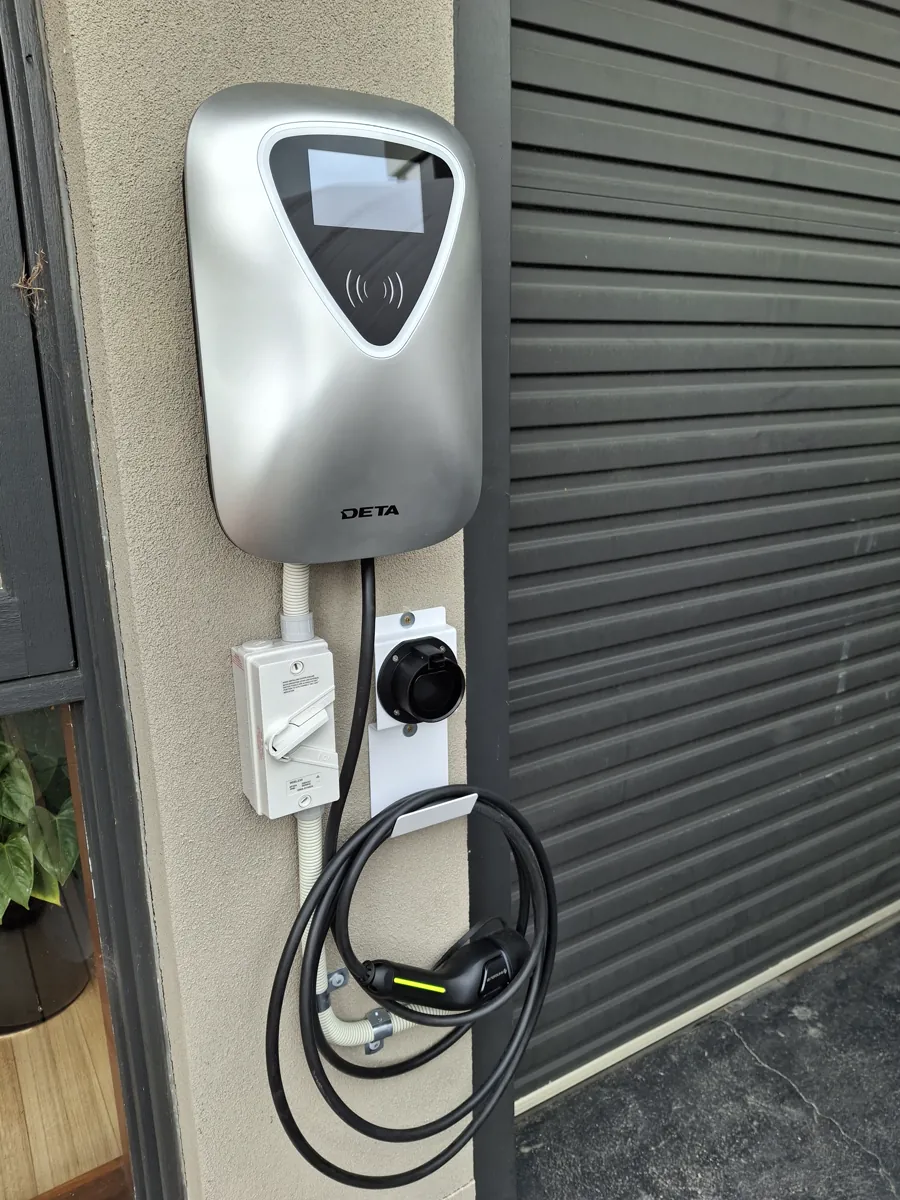
Most EV owners interact with the cable and charging unit daily, so changes can be easy to notice. A damaged connector, loose mounting, water exposure or repeated error is not something to ignore. Routine care should follow the manufacturer’s user instructions, while testing, electrical inspection and fault diagnosis remain work for appropriately qualified people. For business and shared charging sites, maintenance responsibility may also need to be allocated to a site manager. This page helps identify the questions involved in a maintenance enquiry; it does not assume a fixed servicing interval or that every repair is available.
01 / EV charging guidance
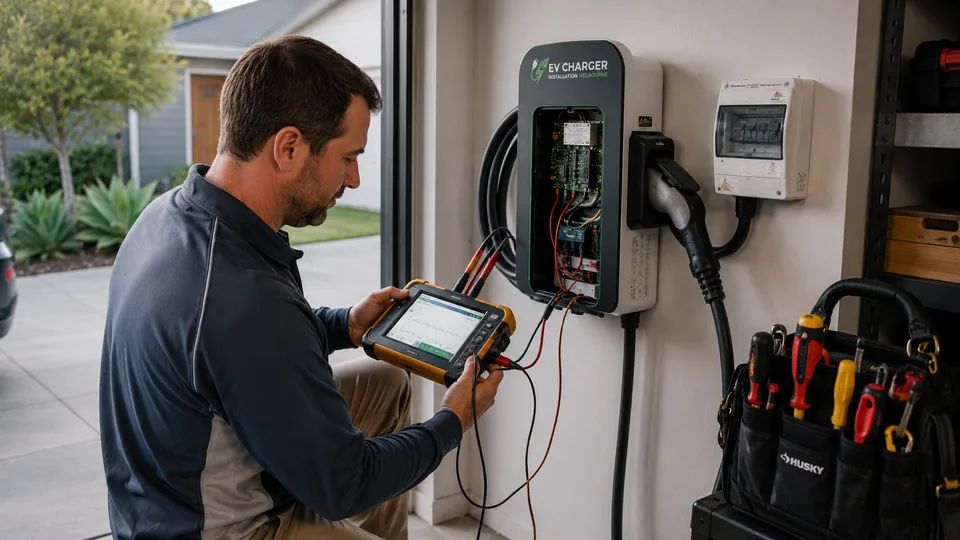
The right electrical work depends on the equipment, available supply and site conditions. An EV charger maintenance assessment may examine visible condition, signs of damage or overheating, enclosure and cable condition, mounting, relevant protective devices, recorded faults and the manufacturer’s maintenance instructions. The exact procedures depend on the equipment and site. Electrical testing or repair must be undertaken by a qualified provider, and manufacturer warranty processes may limit what can be serviced by a general electrician. A working charger with no fault is not automatically due for a paid replacement or an arbitrary inspection package.
EV charging essentials
These are the details that can change the recommendation.
Cuts, exposed conductors, deformation or unusual heat require the equipment to be left unused pending qualified advice.
Record the symptom and charger model. Repeated resetting can conceal an unresolved safety issue and is not a maintenance plan.
Higher-use equipment may benefit from an agreed inspection and reporting approach based on manufacturer instructions and site responsibilities.
03 / EV charging guidance
A useful quote starts with the right information. The electrical work is scoped after the property, equipment and charging needs have been considered.
Provide the charger model, age if known, usage setting and any visible symptoms. Do not remove the cover or operate damaged equipment to take photographs.
The appropriate professional determines whether an inspection, electrical fault diagnosis or manufacturer support path is required. The work must match the equipment and safe access conditions.
Agree on the permitted service scope, any testing and clear reporting of findings. Equipment should only return to use when its condition and relevant electrical safety requirements have been addressed.
04 / EV charging guidance
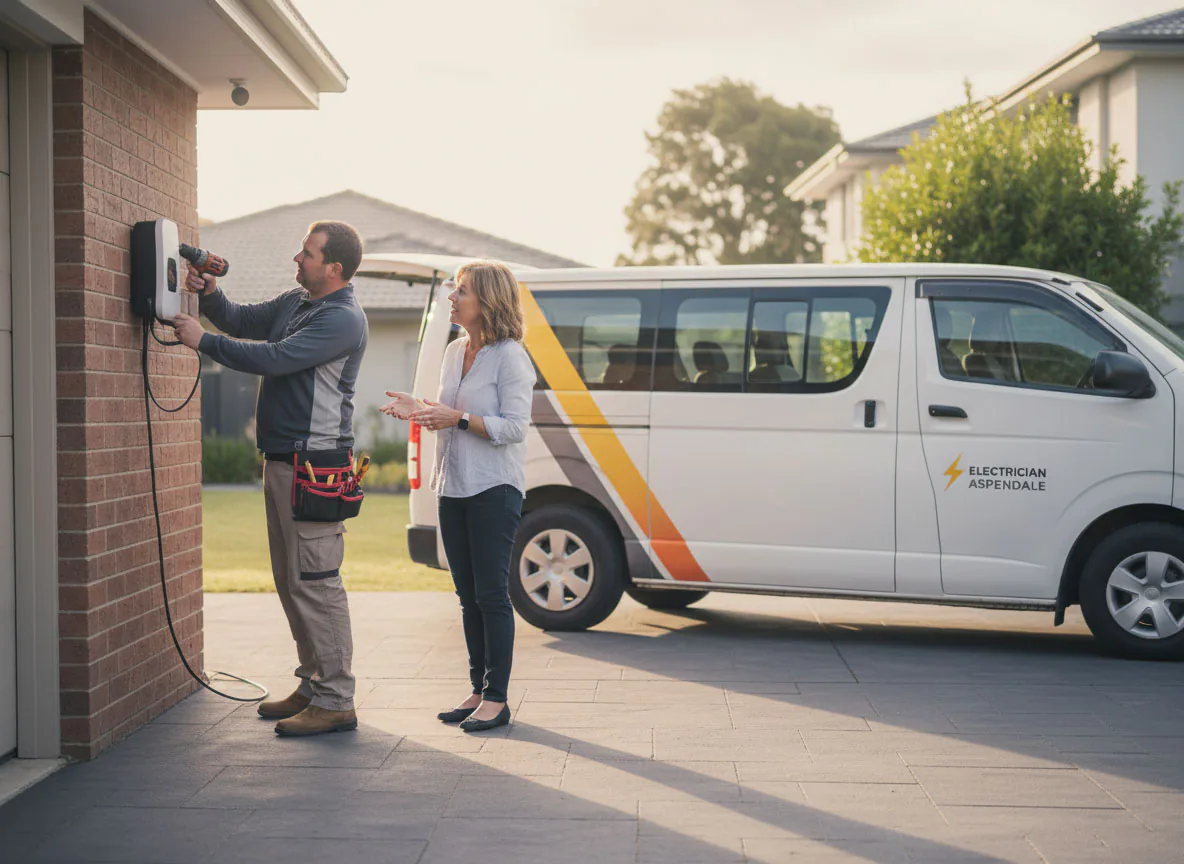
The final scope should reflect the property and equipment, not an assumed standard installation.
Manufacturer requirements, permitted service work and warranty conditions differ.
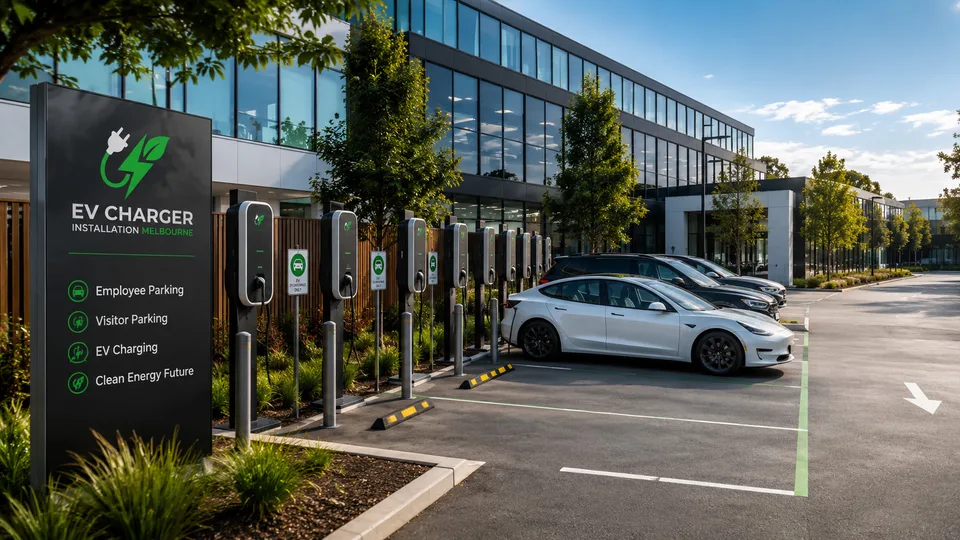
Outdoor exposure, car-park traffic and cable wear can change what needs attention.
A specific fault may call for targeted diagnosis or manufacturer service rather than a general inspection.
Clear advice, tailored to site
The final scope should reflect the property and equipment, not an assumed standard installation.
05 / EV charging guidance
These pages cover connected decisions without repeating the same advice.
Safe symptom reporting and deciding between fault checks, service support and replacement.
Replacing old or faulty wall units while checking the existing electrical circuit.
Commercial charging planning for business premises, parking layouts and electrical supply.
Helpful answers
Follow the manufacturer’s instructions for the exact model. Some user care can be as simple as keeping the cable and connector protected from damage. Any periodic electrical testing should be based on the equipment, installation and applicable requirements, not an invented universal schedule.
Only follow ordinary cleaning and care actions permitted by the manufacturer, with the equipment in the stated safe condition. Do not open electrical covers, use inappropriate cleaning products or attempt to repair a damaged lead.
Stop using it and seek guidance from a qualified professional or the manufacturer. A visibly damaged lead or connector should not be taped up, modified or continued in use as a temporary fix.
They may have higher usage, different access conditions and site-specific maintenance responsibilities. The appropriate inspection scope depends on the product, environment, number of users and applicable requirements.
Not necessarily. Internal hardware repair, firmware support and warranty work can require manufacturer-specific arrangements. The provider must confirm what equipment and service tasks it can support before accepting the job.
Let’s get you charging
Tell us about your vehicle, parking space and property. EV Charger Install Melbourne can help you start a practical installation enquiry. Request an EV charger quote