Regular overnight parking
A long overnight charging window can make moderate AC charging practical for routine daily driving, depending on vehicle energy use.
EV charging across Melbourne
Explore 7 kW EV charger installation in Melbourne for suitable single-phase homes, including\ \ circuit checks, vehicle limits and everyday overnight charging.
The practical starting point
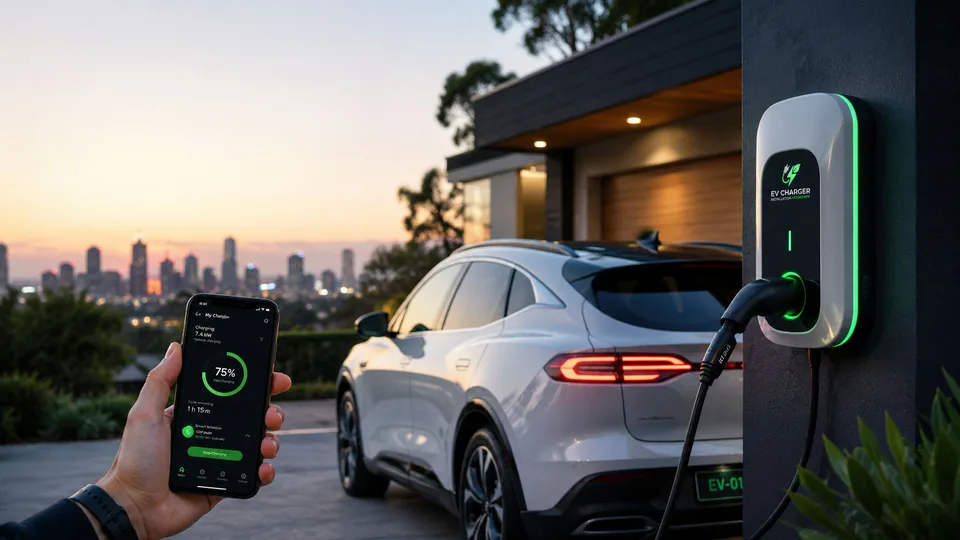
For many households, the aim is to arrive home, plug in and have enough charge for the following day. A single-phase wall charger in the 7 kW class may meet that goal when the vehicle and property support it. It does not mean the circuit can be installed without checking existing loads or the switchboard. A car may also accept a different AC rate, while a charger may be configured to draw less power where the site requires it. Start with the hours the EV is parked, your daily kilometres and whether the electrical supply has already been assessed.
01 / EV charging guidance
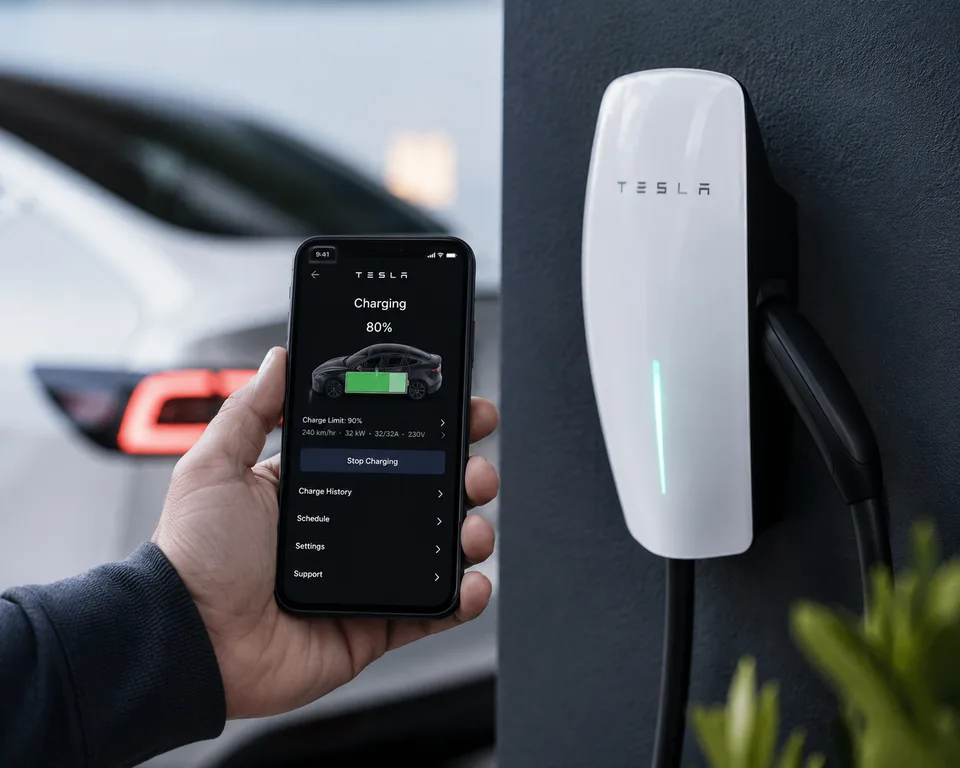
The right electrical work depends on the equipment, available supply and site conditions. A fixed single-phase wall charger requires an appropriately designed circuit, protection, mounting position, connection and testing. The charger’s nominal rating is not a guaranteed output at every property. The practical rate can be affected by the circuit settings, other household loads and the vehicle’s charging capability. In some cases, a lower configured rate or managed charging may be more suitable than operating the unit at its maximum. The decision should be based on the complete property and charging routine.
EV charging essentials
These are the details that can change the recommendation.
A long overnight charging window can make moderate AC charging practical for routine daily driving, depending on vehicle energy use.
A suitable fixed charger may be considered where the electrical supply and switchboard can support the required circuit and demand.
A 7 kW-class unit may offer more convenient daily charging than a portable cable, but product and installation choices still need assessment.
03 / EV charging guidance
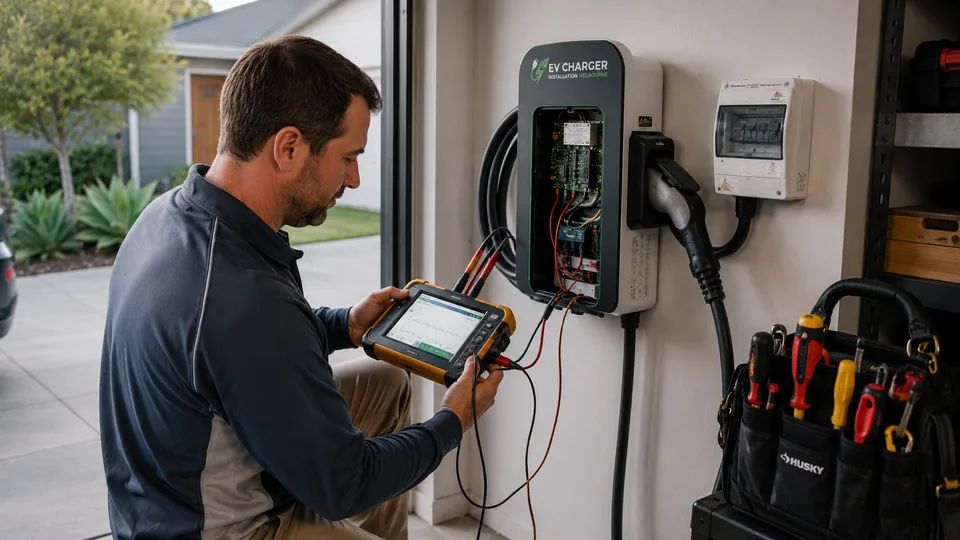
A useful quote starts with the right information. The electrical work is scoped after the property, equipment and charging needs have been considered.
Share the vehicle model, typical overnight parking hours, intended wall position and a photo of the closed switchboard.
An electrician reviews supply, maximum demand, dedicated circuit and protective requirements and whether the proposed charger is suitable for the property.
Confirm the charger and realistic configured charging rate in the quotation. The work should be fitted, tested and handed over by a licensed professional.
04 / EV charging guidance
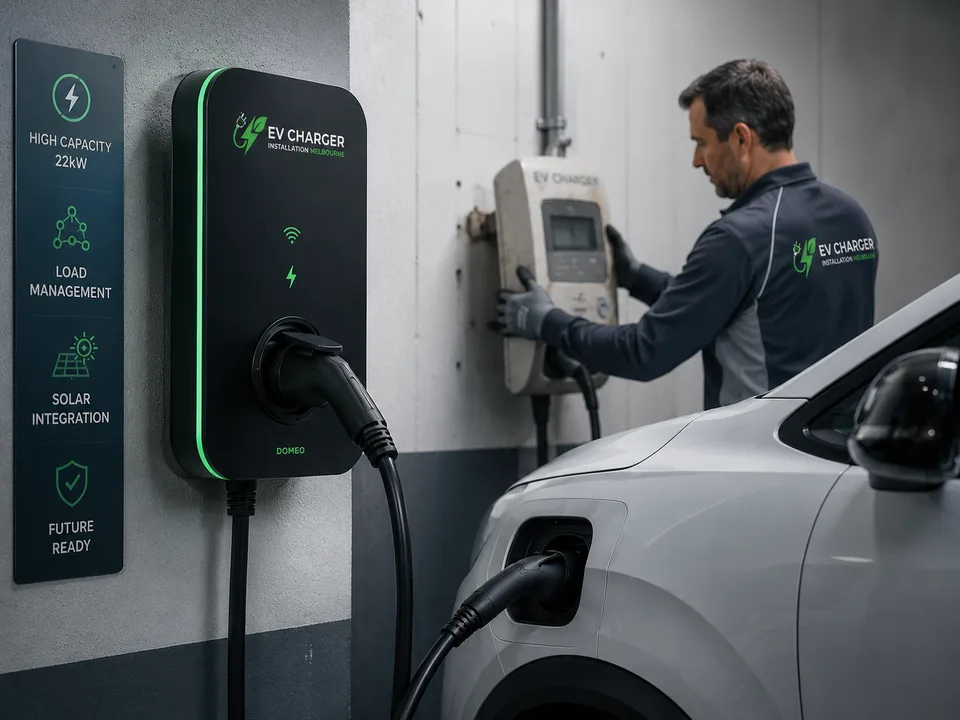
The final scope should reflect the property and equipment, not an assumed standard installation.
Available capacity and the operation of other electrical appliances influence the supported charger configuration.
The position of the charger relative to the switchboard affects installation work and price.
The car’s onboard AC limit may be lower than, equal to or greater than the configured wall charger output.
Clear advice, tailored to site
The final scope should reflect the property and equipment, not an assumed standard installation.
05 / EV charging guidance
These pages cover connected decisions without repeating the same advice.
Higher-power AC charging limits and three-phase supply assessment.
Practical comparison of charging phase options and realistic vehicle charging rates.
Home charger selection, practical siting, electrical checks and installation planning.
Helpful answers
It may be, provided the supply, switchboard, circuit and other household demand can support the chosen configuration. An electrician must assess the site rather than assuming every single-phase property can provide the charger’s full nominal output.
There is no single range figure because vehicle efficiency, charging losses and the actual delivered power differ. Estimate charging needs using the vehicle’s energy consumption and realistic charging rate rather than a universal kilometres-per-hour promise.
Many EVs can use compatible AC wall chargers, but connector compatibility and onboard charging limits must be checked for the exact model. The charger and electrical supply also determine the rate delivered.
Depending on the charger or vehicle features, a charging schedule may allow sessions during selected hours. The actual cost benefit depends on the electricity plan, charging use and configured controls.
Compare your vehicle’s AC acceptance rate, daily energy needs, parking hours and available property supply. A higher-rated charger is not automatically more useful. A site assessment can clarify whether additional electrical work would be justified.
Let’s get you charging
Tell us about your vehicle, parking space and property. EV Charger Install Melbourne can help you start a practical installation enquiry. Request an EV charger quote