Neighbourhood shopping centres
Charging may be an occasional customer amenity, where short shopping trips and frequent turnover affect the practical value of available power.
EV charging across Melbourne
Plan customer parking EV charger installation in Melbourne for retail sites, shopping precincts\ \ and visitor bays. Assess dwell times, power and access.
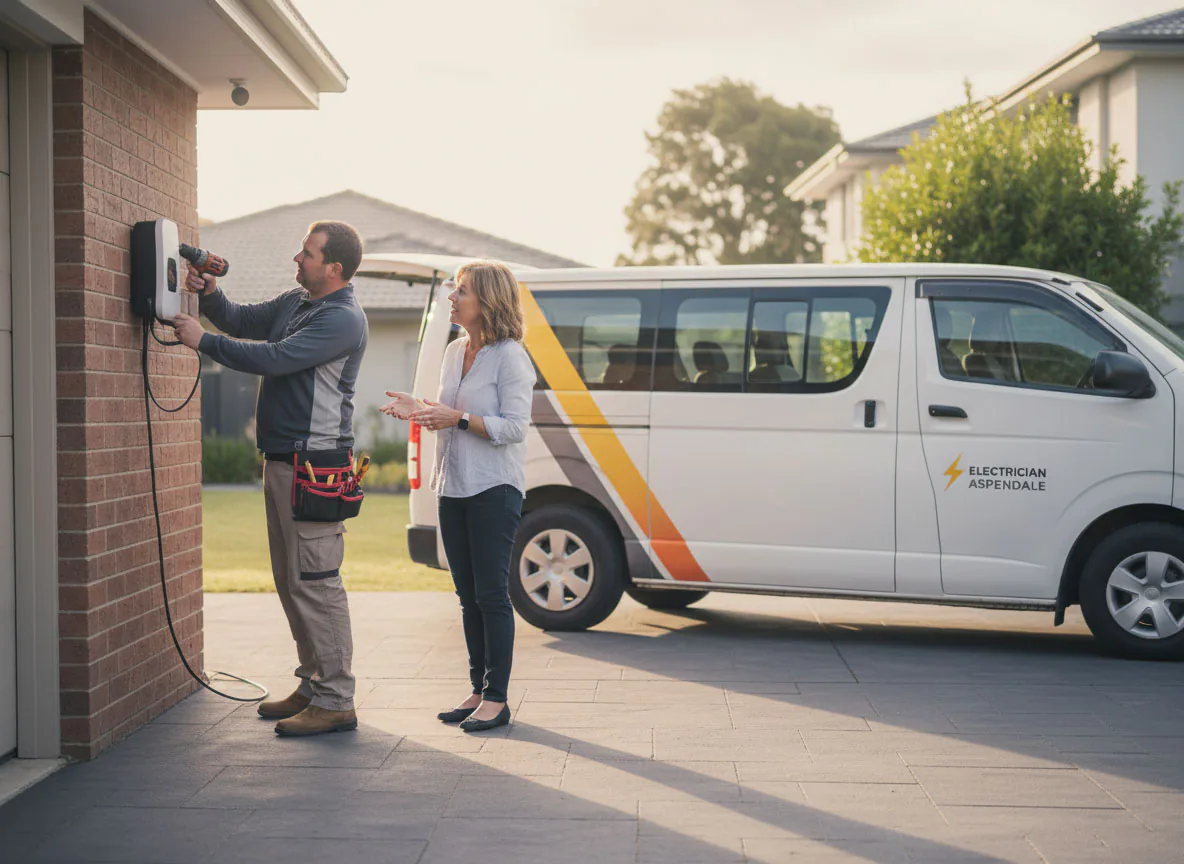
The practical starting point
A retail customer may be parked for twenty minutes or several hours. That distinction changes the value of installing a particular charging unit and the amount of energy a visitor can realistically recover. The site also needs clear access rules, safe parking circulation, visible signage and a suitable electrical route. Before selecting equipment, define whether charging is intended as a customer amenity, a revenue service or part of a wider property plan. Those objectives affect charger features, software, ownership and how the project should be quoted.
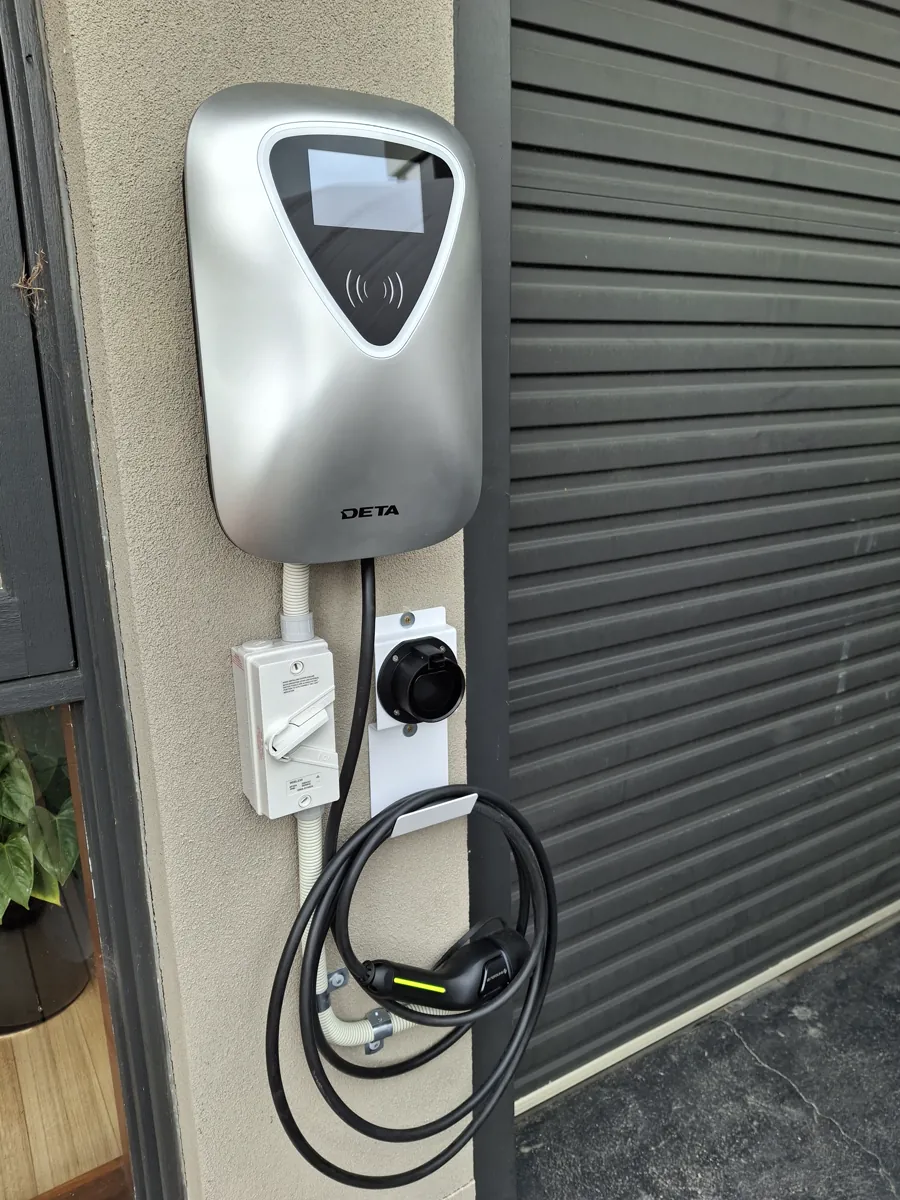
01 / EV charging guidance
The right electrical work depends on the equipment, available supply and site conditions. Retail and customer parking charging can involve one or more AC units, managed access, network services, electrical distribution and, in some circumstances, higher-power infrastructure requiring a separate specialist scope. The number of chargers should follow likely demand and parking turnover rather than copying a standard residential configuration. Any proposed payment service, public-network listing or user support arrangement needs separate confirmation. Site owners also need to consider landlord approval, signage, physical protection and maintenance responsibility.
EV charging essentials
These are the details that can change the recommendation.
Charging may be an occasional customer amenity, where short shopping trips and frequent turnover affect the practical value of available power.
Visitors who remain on site for longer may have more time to benefit from AC charging, subject to demand and parking arrangements.
Staff, residents and visitors may share access. Their charging requirements and electricity attribution need to be considered separately.
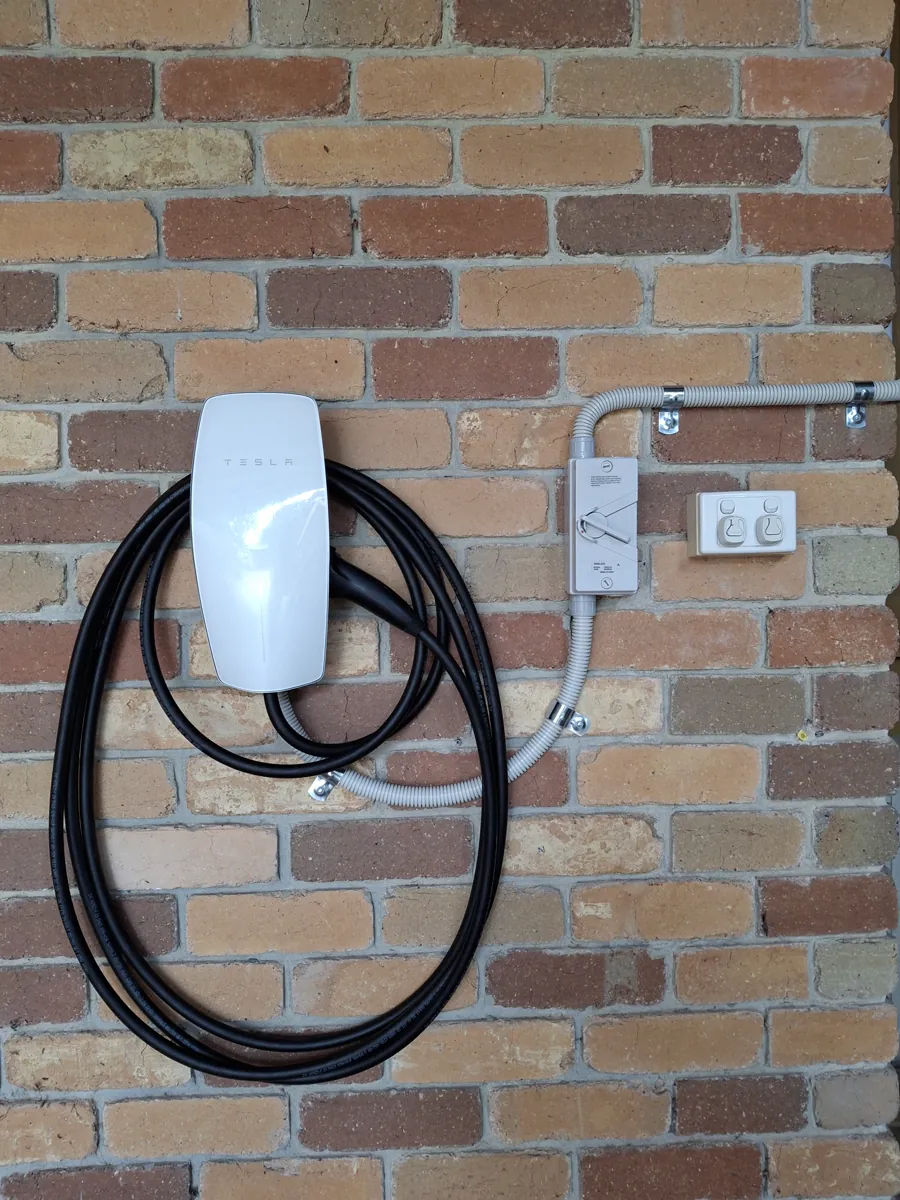
03 / EV charging guidance
A useful quote starts with the right information. The electrical work is scoped after the property, equipment and charging needs have been considered.
Define the retail site, number of spaces, visitor dwell times, proposed charger access policy and whether the property is leased or owner-managed.
A technical feasibility review considers supply, parking circulation, cable routes, charger protection and any payment or network requirements. Specialist high-power charging must be scoped separately.
Agree on the actual first-stage equipment and site works before quoting installation. Ongoing access, customer support and software costs should be identified as operational decisions.
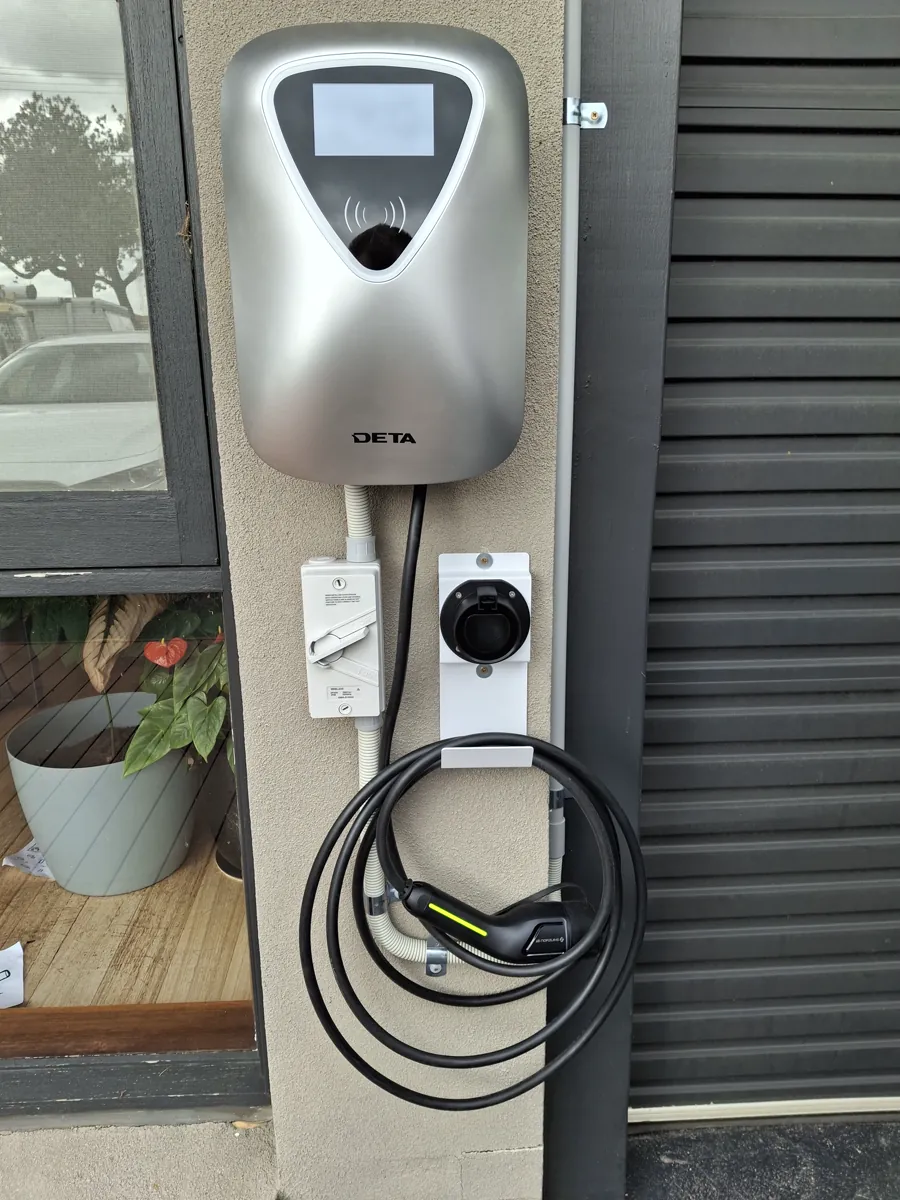
04 / EV charging guidance
The final scope should reflect the property and equipment, not an assumed standard installation.
Trenching, cable distance, vehicle protection and safe placement can be significant scope items.
The site’s normal trading demand and proposed simultaneous charging need review before equipment is selected.
User access, network subscriptions, payment terms and troubleshooting responsibility may sit outside basic electrical work.
Clear advice, tailored to site
The final scope should reflect the property and equipment, not an assumed standard installation.
05 / EV charging guidance
These pages cover connected decisions without repeating the same advice.
Commercial charging planning for business premises, parking layouts and electrical supply.
Guest parking, overnight charging access and accommodation site planning.
Controlling simultaneous EV charging demand at homes, buildings and depots.
Helpful answers
There is no universal number. Estimate visit lengths, likely EV demand, parking turnover and the charging purpose. A small pilot may suit some sites, while others need a wider electrical and operations plan.
It depends on dwell time, customer need, electrical supply and budget. AC may suit longer stays. DC charging has different capacity, equipment and delivery requirements and should be treated as a separate feasibility question.
Some systems support payment arrangements, but hardware compatibility, software subscriptions, payment services and customer support responsibilities vary. These should be decided before selecting the equipment.
The car park layout may call for protective positioning, clear pedestrian movement and appropriate mounting. The design must reflect vehicle traffic, environmental exposure and applicable accessibility and safety requirements.
Share the site and parking plan, customer dwell times, expected access policy, available electrical information and whether the venue is tenanted or owner-operated. That enables a useful initial feasibility conversation.
Let’s get you charging
Tell us about your vehicle, parking space and property. EV Charger Install Melbourne can help you start a practical installation enquiry. Request an EV charger quote